Game Design with AI: From One Mechanic to Your Own Game
An AI builds whatever you ask for, so the hard part is knowing what to ask for. This course starts with one mechanic, tests it before anything is built on it, grows a small whole game around it, and shows what separates a game that is yours from one nobody decided anything in.
- 16 lessons
- about 118 minutes of reading
- Free
How this course works
- One mechanic first. Before art, story, menus or a second feature, there is one thing the player does, and it has to be worth doing.
- Play before you read. Every lesson starts with a small game in this page that runs one of our tested blueprints. You try the point with your own hands, then read why.
- Decide, then check. You write down what you expect to see before you test, the way a test is written before the code. Then you look, and believe what you saw.
- Your AI does the building, you do the deciding. Every lesson has a text for your AI and names the shortcut an AI takes when nobody decides for it.
Who it is for
People who build games by talking to an AI and have noticed that the result works but is not much of a game. You do not need to program or to have read anything about game design. You need an idea you are willing to test, and the patience to try one thing at a time.
What you need
An AI you build with and something to build in: a browser game, Godot or any other engine. Our free starter project is enough. Every lesson shows its point on a small game you can play in this page, so there is nothing to install for the lessons themselves.
Part 1
Find a mechanic
What a mechanic is, where to look for one, and how to write its rule down so that your AI can build it and a test can check it.
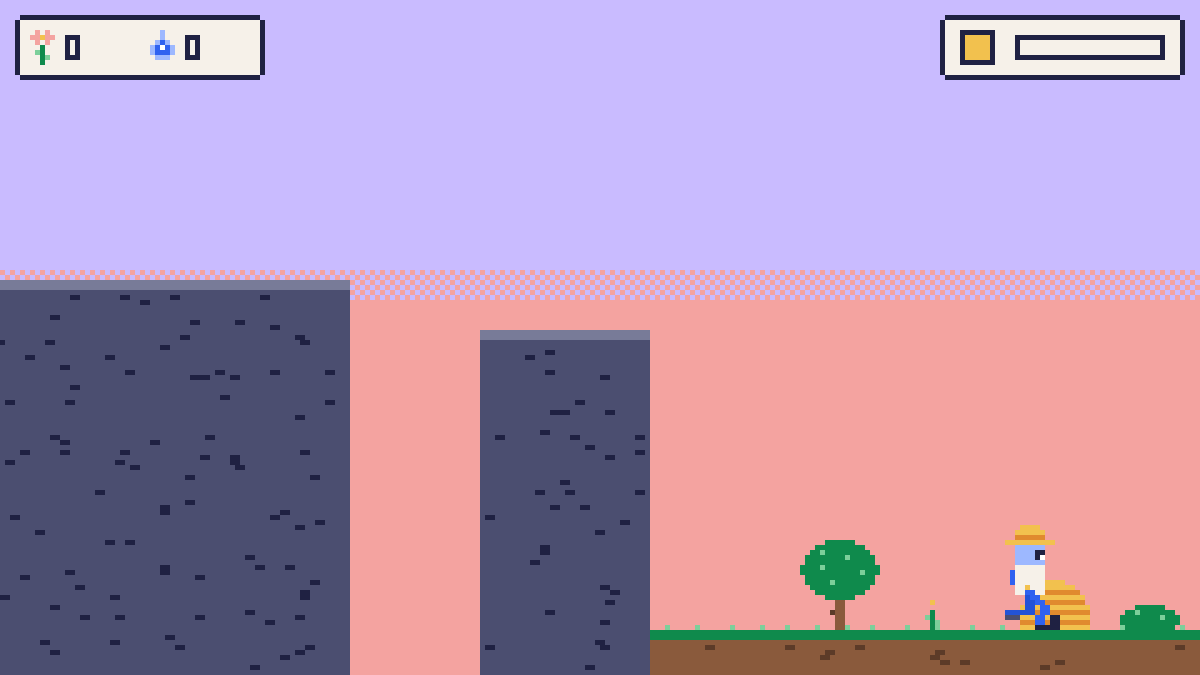
1 · 6 min
What a Game Mechanic Is: A Press, a Rule and an Answer
A game mechanic is something the player does, a rule that decides what happens, and an answer they can see. Take one apart in a playable dash, then write your own in three lines.
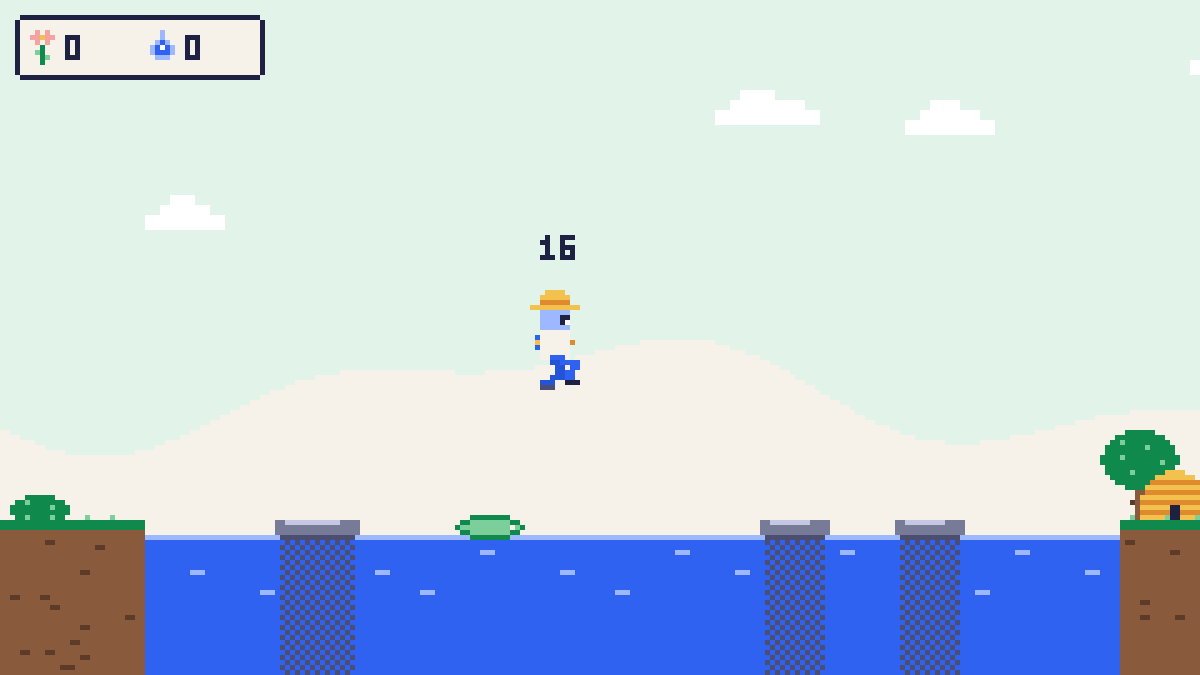
2 · 7 min
Game Mechanic Ideas: Four Places Where Mechanics Come From
Mechanics come from hands, limits, a known mechanic with one rule changed, and two that get in each other's way. Find all four in a charge jump, then write ten of yours.
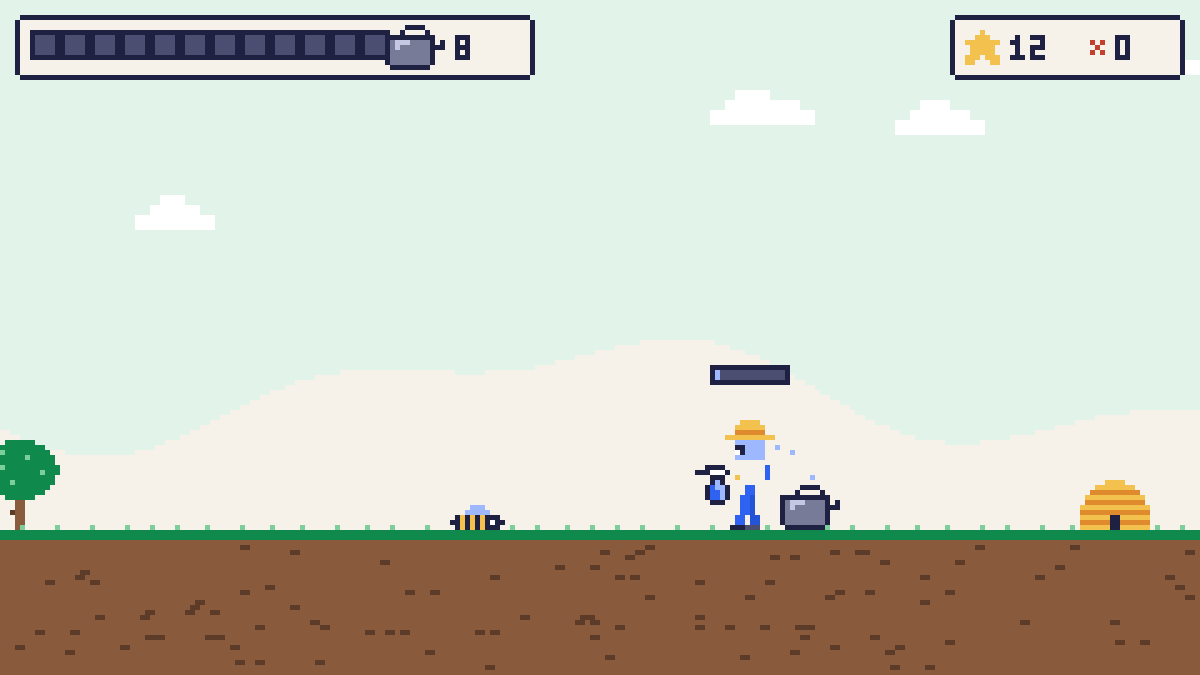
3 · 8 min
How to Write a Game Mechanic Down So a Test Can Check It
A rule you can test has states, moves and an answer for every what-if. Write one down on a playable spray bottle, and replace every 'sometimes' with a number.
Part 2
Test it before you build on it
A mechanic has to hold up alone, with good numbers, in the hands of somebody who has never seen it. Three tests that cost an evening and save a month.
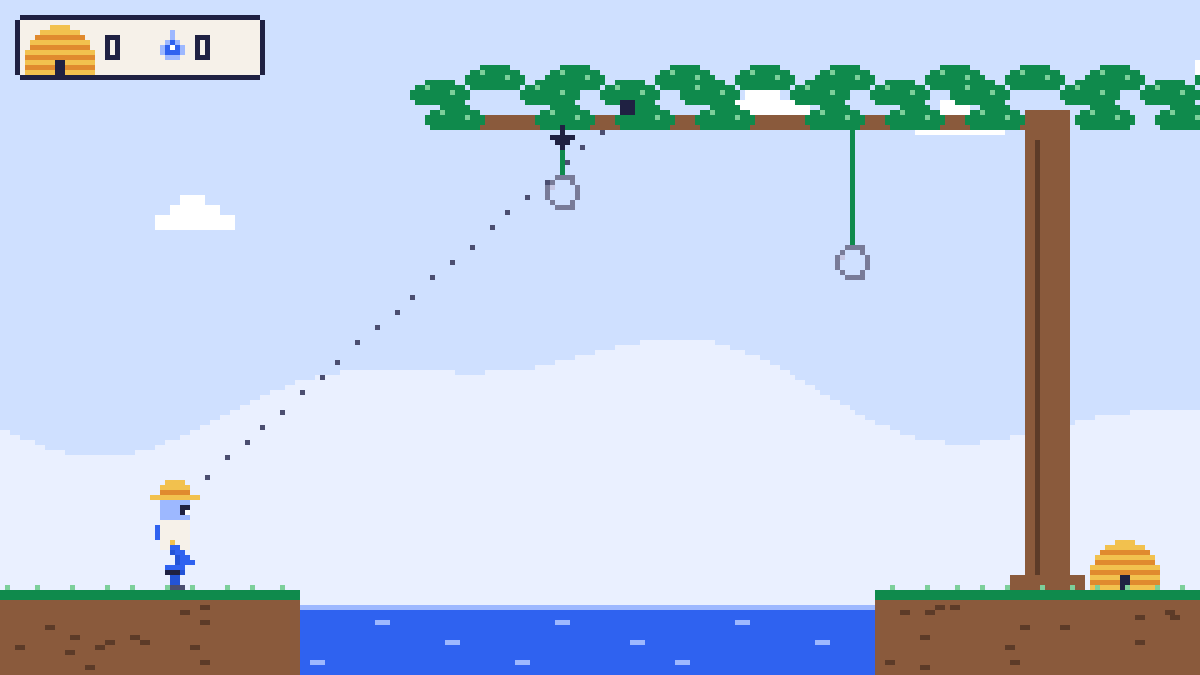
4 · 7 min
The Toy Test: Prototype One Mechanic Before You Build a Game
Build your mechanic alone in grey boxes, with no goal and no score, and play it for two minutes. Four signs, tried on a grappling hook, show whether it can carry a game.
5 · 7 min
How to Tune a Game Mechanic: One Number at a Time
Tuning means one number per try: twice and half first, then smaller steps, each written down with what changed in your hands. Shown on a playable late jump at a ledge.
6 · 7 min
How to Playtest: Watch Somebody Play and Say Nothing
Hand your mechanic to one person who has never seen it, say nothing, and write down first what you need to see to keep it. Shown on a playable parry, then handed to your AI.
Part 3
Build the game around it
From something nice to press to a game: a goal and something in the way, a loop worth repeating, levels that ask the mechanic new questions and teach it without a word, and a size you can finish.
7 · 7 min
From Toy to Game: A Goal and Something in the Way
A toy turns into a game when there is something to reach, something in the way, and your mechanic is the only way through. Shown on a playable dive for honey jars.
8 · 7 min
Core Loop in Game Design: The Round a Player Repeats
A core loop is three or four steps the player goes round again and again, and each round must change the next. Find one in a playable farm bed, then close your own.
9 · 7 min
One Mechanic, Many Levels: Level Design That Asks New Questions
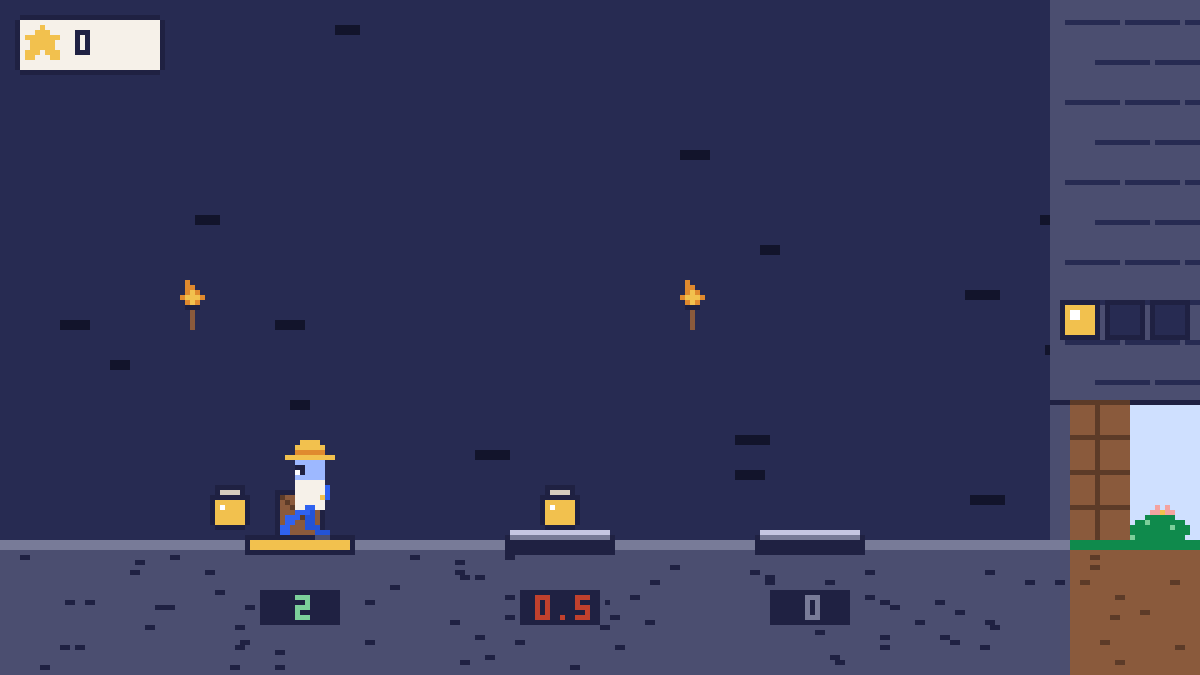
Make level after level from one mechanic: keep the action, change one thing around it, and write down the question each level asks. Shown on playable pressure plates.
10 · 7 min
Tutorial Without Text: Let the First Room Teach Your Mechanic
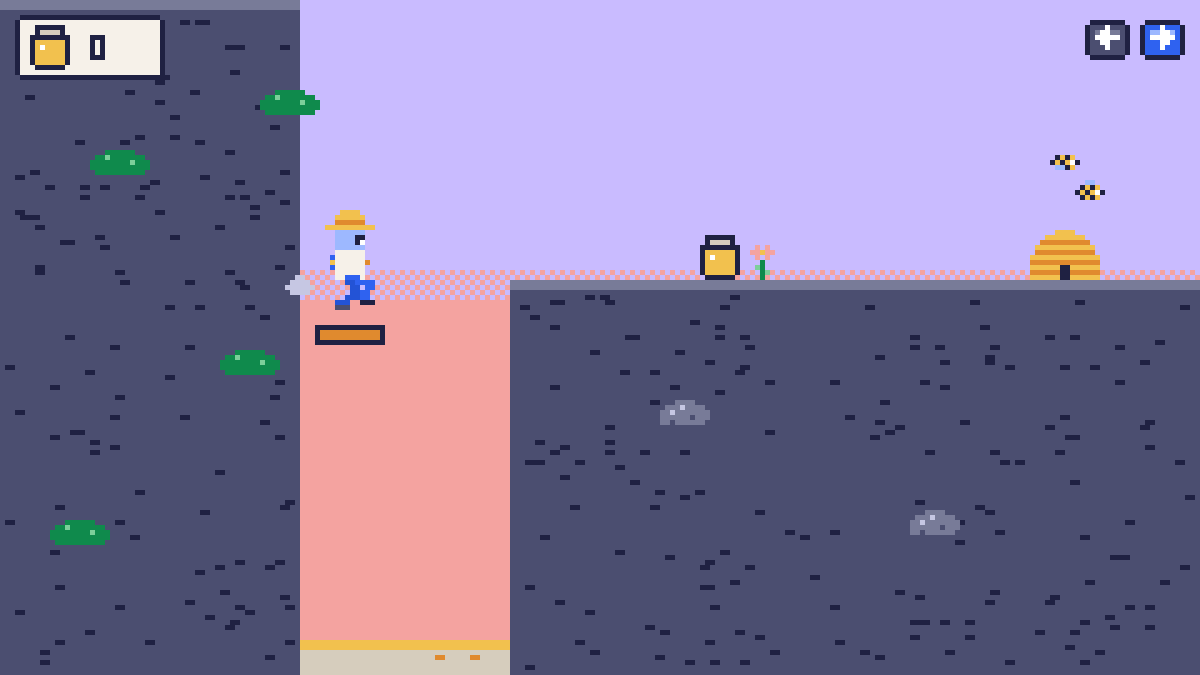
A first room the player cannot leave without doing the thing, where a mistake costs nothing; then one with a risk, then one with a twist. Shown on a playable wall jump.
11 · 8 min
The Smallest Whole Game: Scope a Game You Can Finish
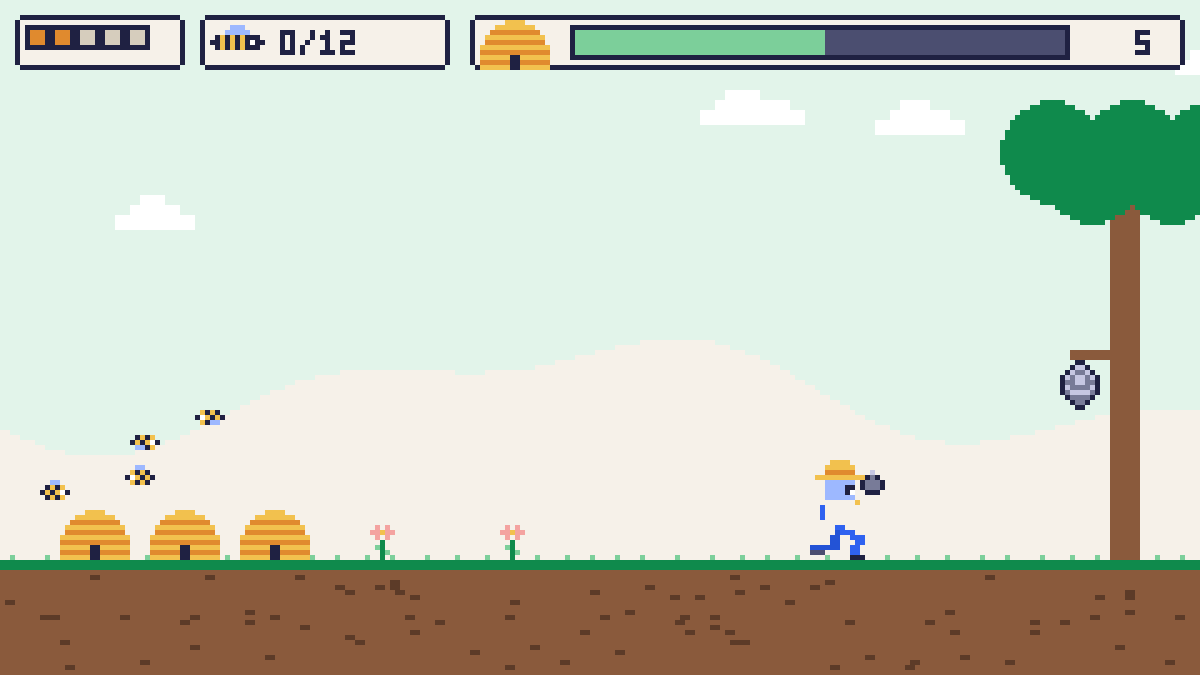
A whole game has a start, a middle and an end. Find the smallest size at which yours still has all three, and write down what is out before your AI says yes to it.
Part 4
Slop or yours
What makes a game feel like nobody made it, and the three things that make it yours: decisions you can give a reason for, a point of view, and feedback that answers the player instead of decorating the screen.
12 · 9 min
What Makes a Game Slop, and How to Check Your Own
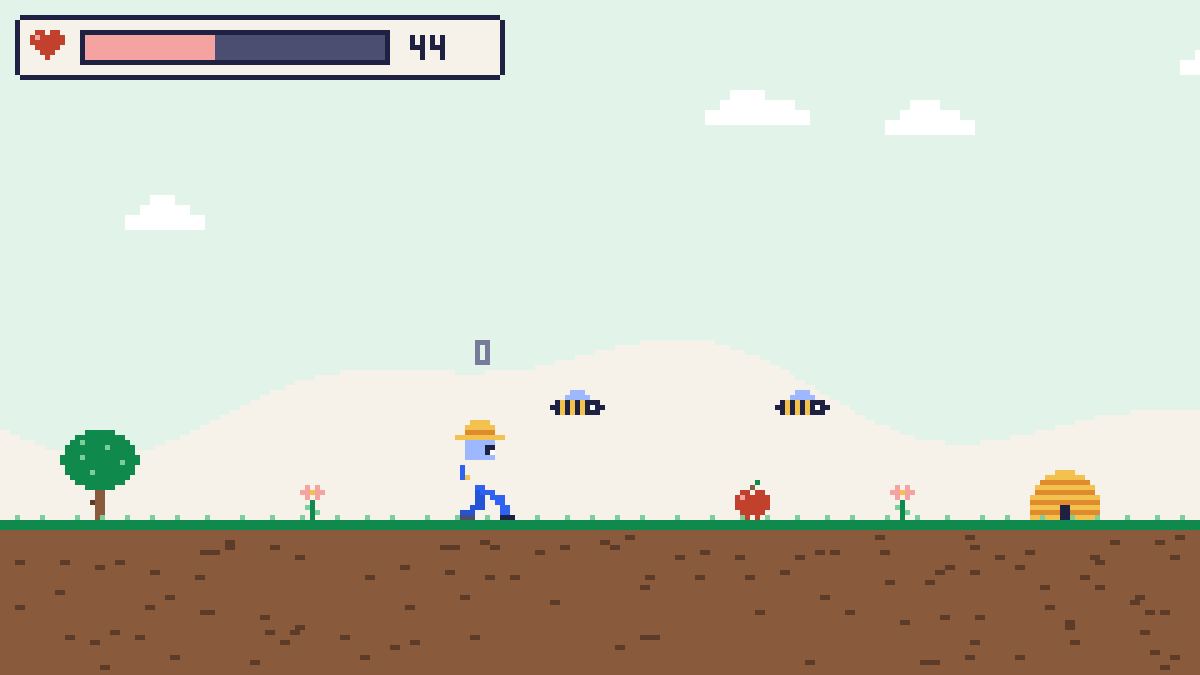
A slop game is one in which nobody decided anything: numbers and theme as they came, nothing tested. Who wrote the code does not matter. Here is a check for your own game.
13 · 9 min
A Point of View in Game Design: What Makes a Game Yours
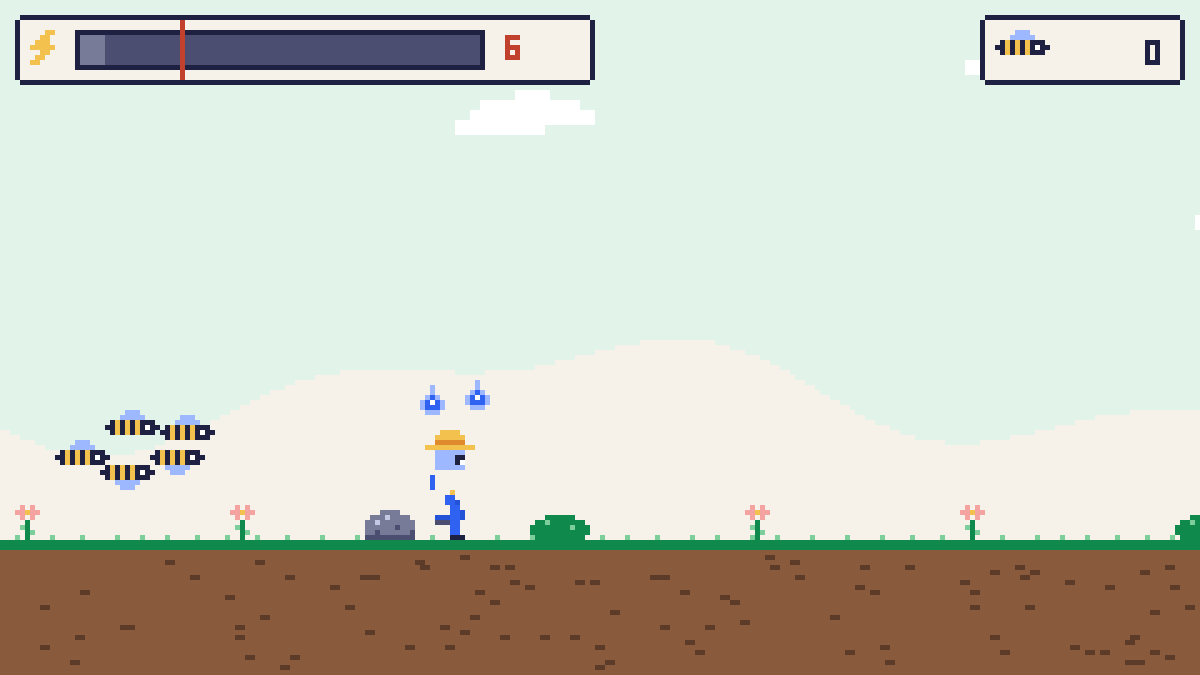
A game is yours when it has a limit you chose, a theme its rules mean and one thing it will not do. See it on a playable stamina bar, then write your own in three lines.
14 · 7 min
Game Feel and Juice: Feedback First, Decoration Last
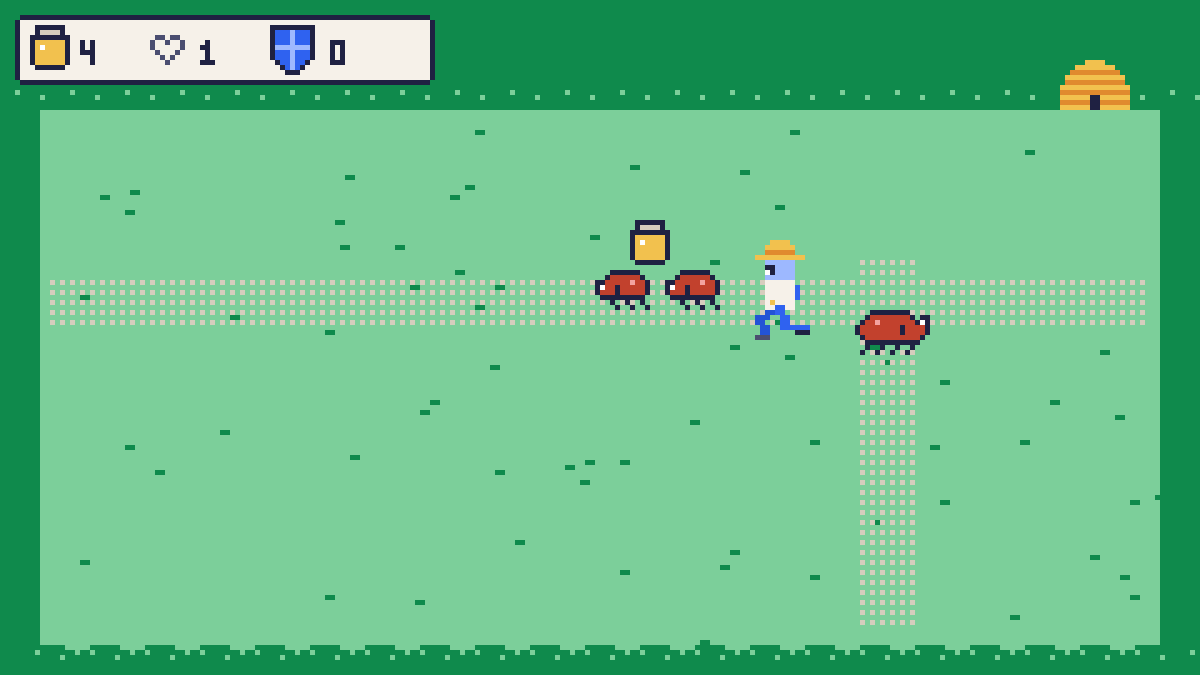
An effect in a game either answers the player or decorates. Get the rule right, make it readable, and add decoration last, as the knockback game in this lesson shows.
Part 5
Finish it
Where players stop, counted instead of guessed, and what done means: a stranger plays it from the start to the end without you in the room.
15 · 7 min
Where Players Stop in Your Game: Count It, Don't Guess
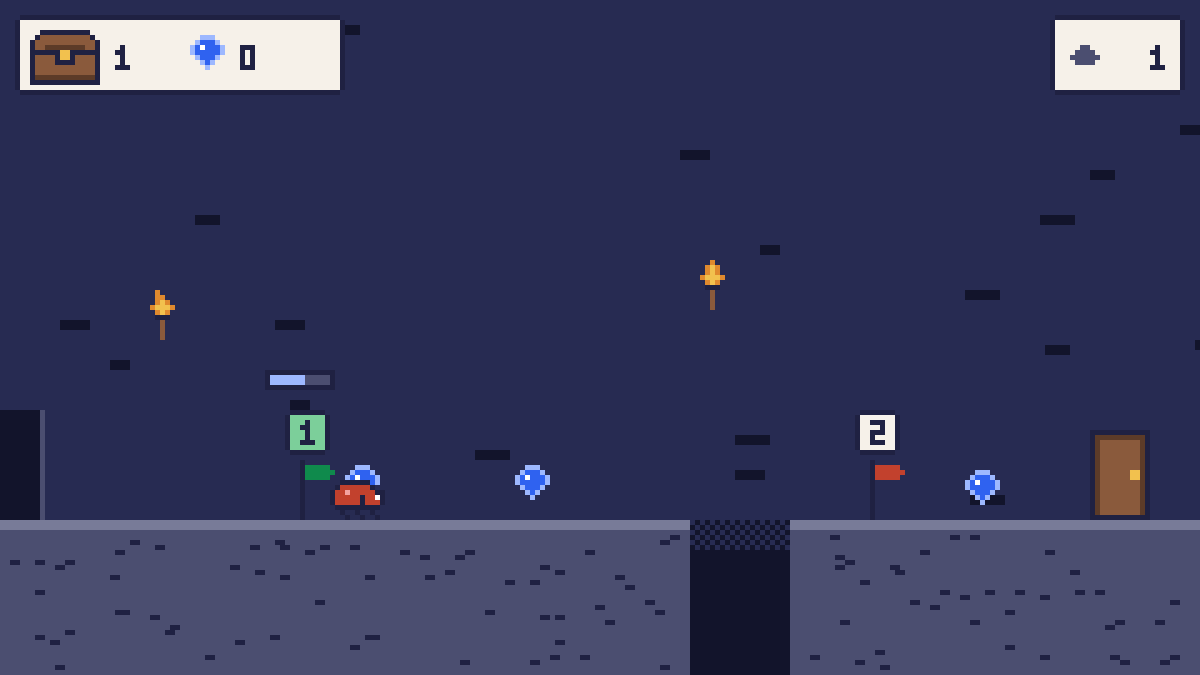
Where do players go down, try again or give up? Pick a few events for one question, count them without knowing who played, and read them, tried on a cave with two checkpoints.
16 · 8 min
When Is a Game Done? When a Stranger Finishes It
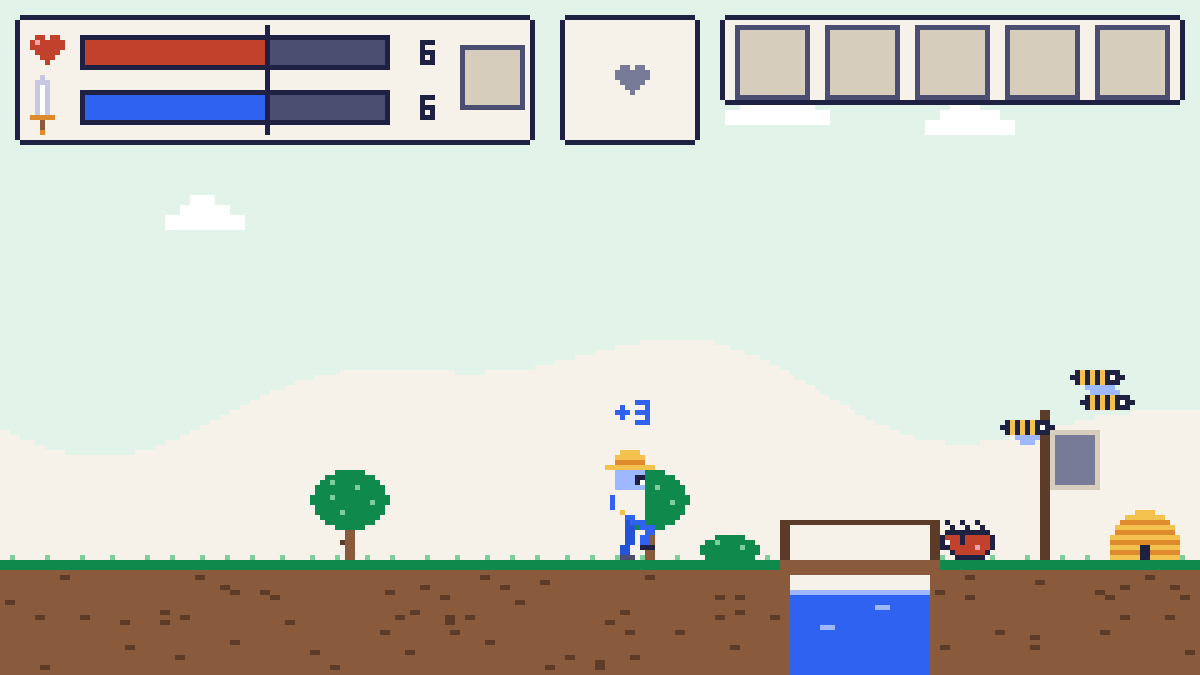
A game is done when somebody who has never seen it plays from the start to an end, alone, and knows it ended. What done needs and what it does not, tried on a walk with five endings.