Game mechanics blueprints
113 blueprints for things that make a game feel good, explained in plain words, each with a text to paste to your AI.
Search
What should happen in your game?
Movement
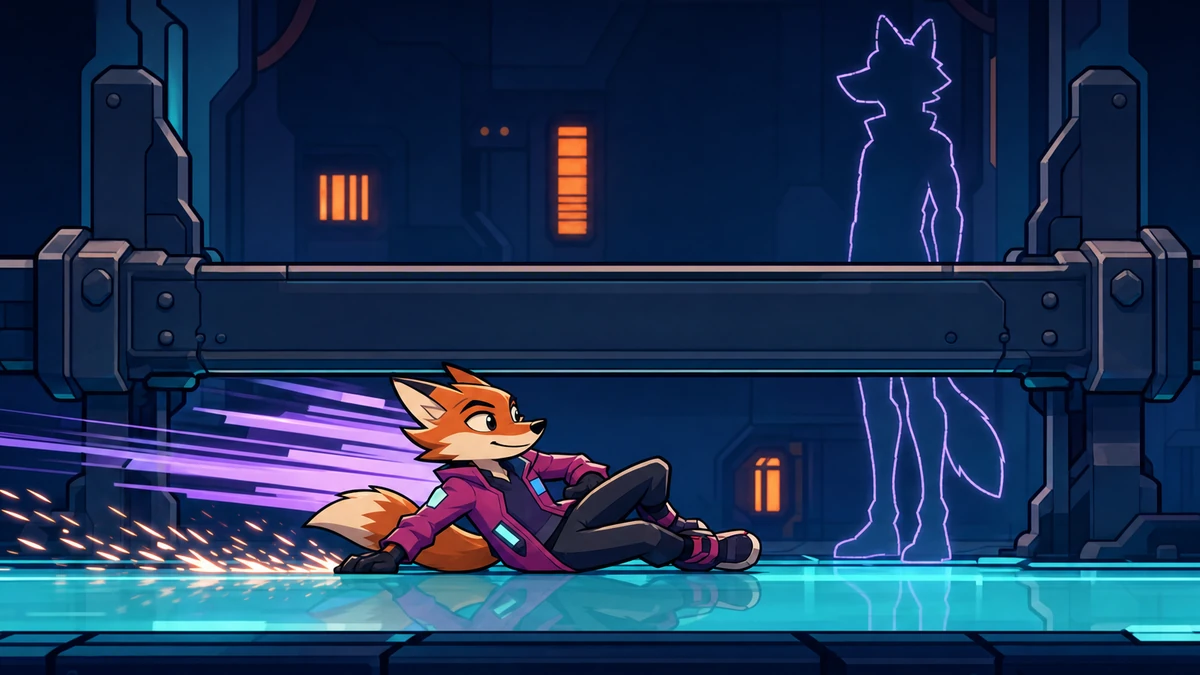
Crouch Slide
A slide turns running speed into a short, committed move: the character gets under low gaps, keeps momentum through a turn of play and makes a fast approach feel different from a slow one.
Resources
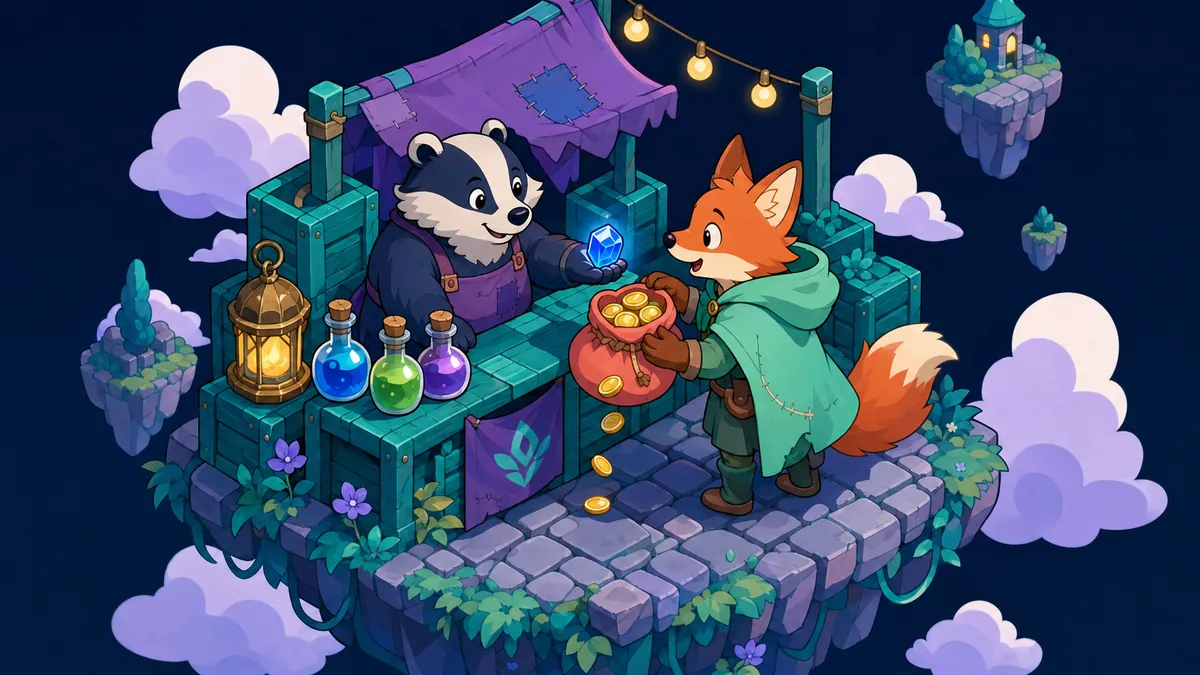
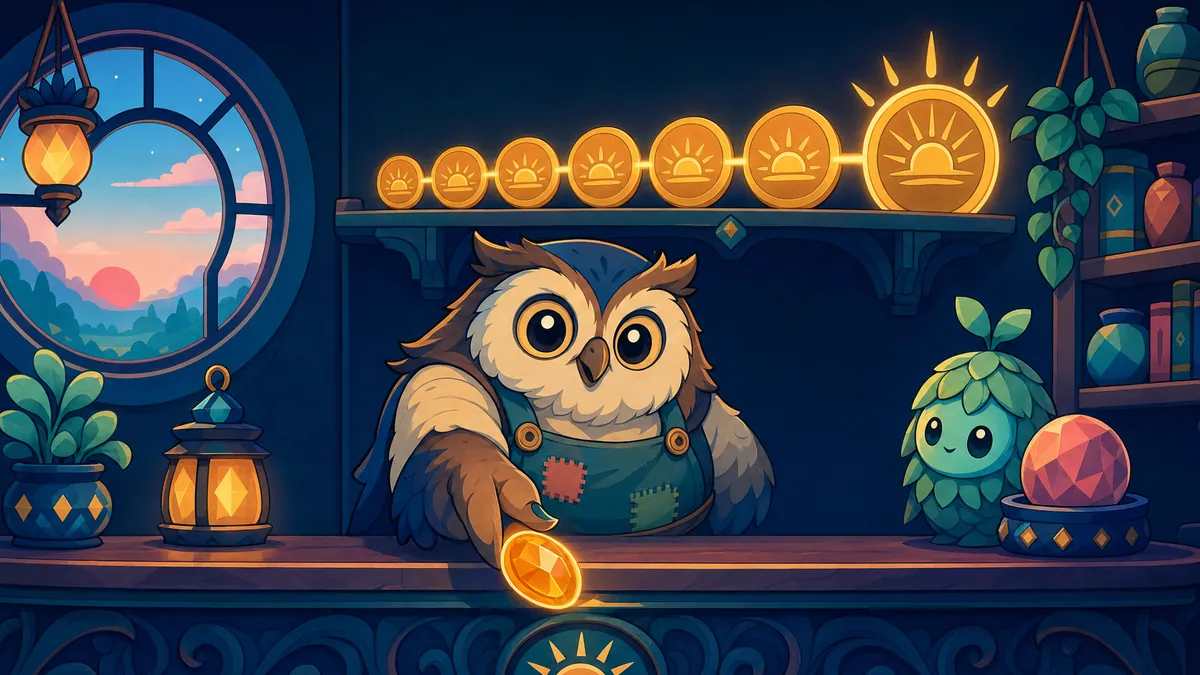
Currency Wallet
A wallet turns effort into choices. The player earns coins, weighs what to buy, and feels the cost of each choice, so shops, rewards and prices all have a number to work with.
Story
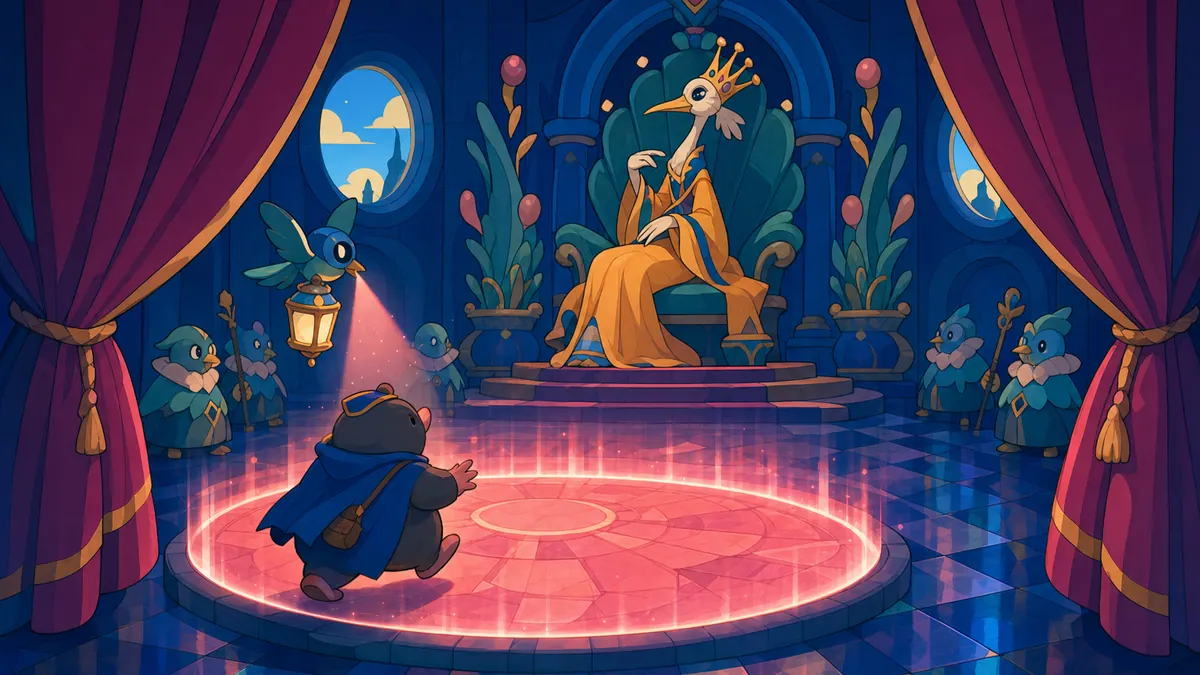
Cutscene Triggers
A trigger starts a scene at the right moment and in the right place, so the story takes the stage exactly when the player has reached it, and never twice by accident or half done.
Progression
Daily Rewards
A small gift for coming back gives the player a reason to open the game every day, and a streak makes each new day worth protecting.
Combat
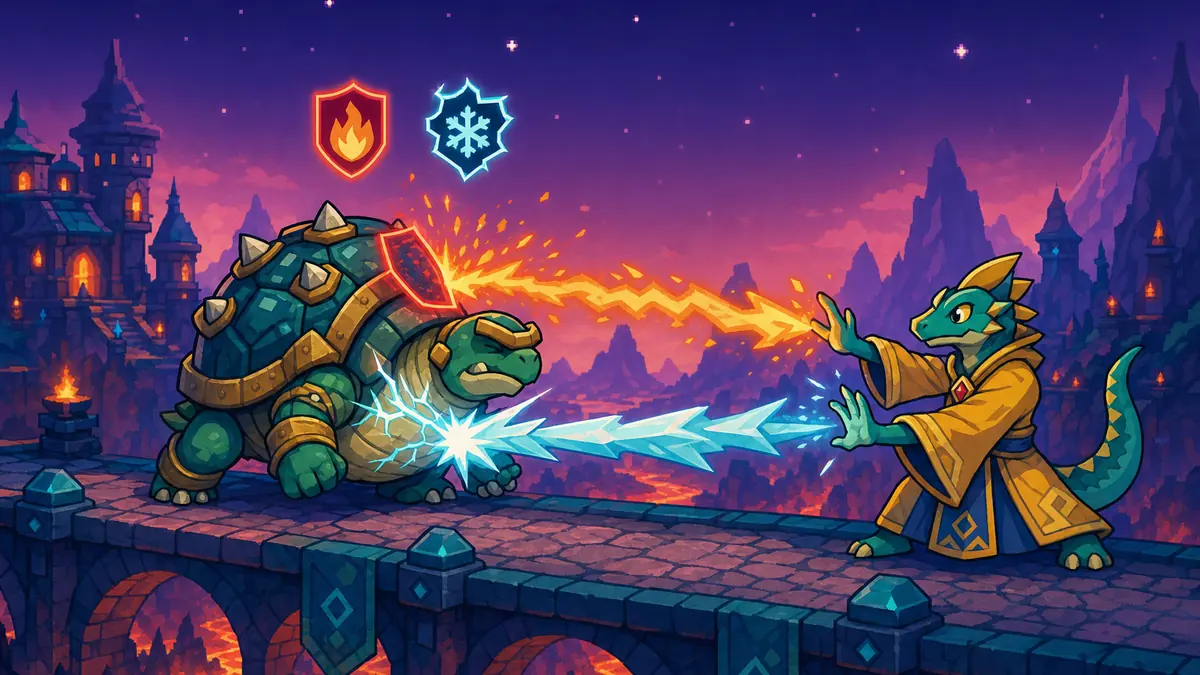
Damage Types
Damage types make choices matter before a fight and during it: the right weapon against the right enemy does much more, and the wrong one does little, which gives a reason to carry more than one of everything.

Movement
Dash
A short, fast burst in one direction that the player triggers at will. It gives a quick escape, a gap crossing or a burst of speed, and the cooldown and the air limit stop it from replacing ordinary movement.
World
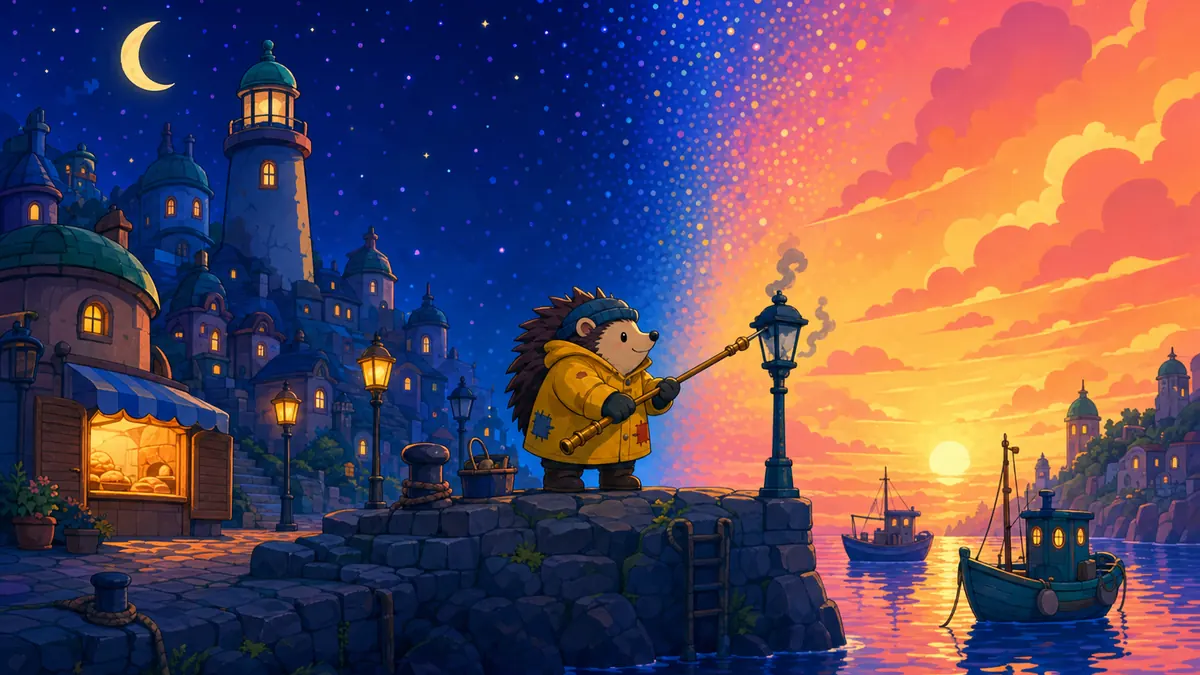
Day-Night Cycle
A world that changes with the hour feels alive: shops open and close, danger comes with the dark, and the player plans around the time. One clock drives all of it, so light, events and sleep can never disagree.
Story
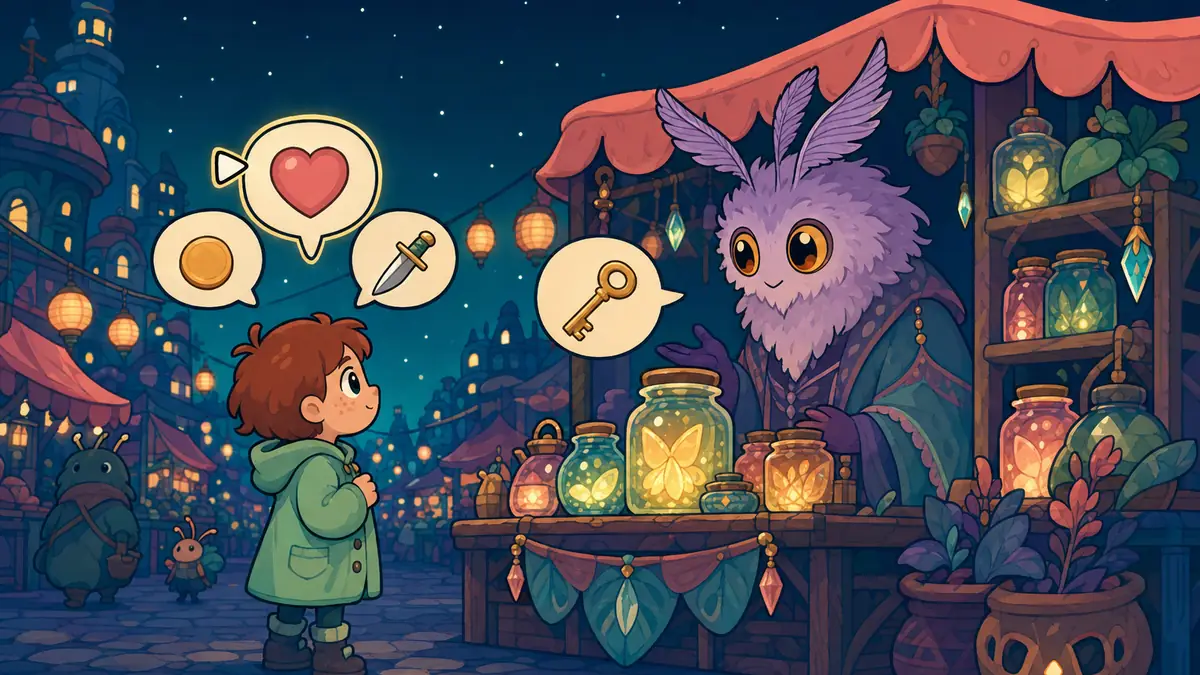
Dialogue System
Dialogue lets the player talk to the world, and what they say and do changes what comes next.
Progression
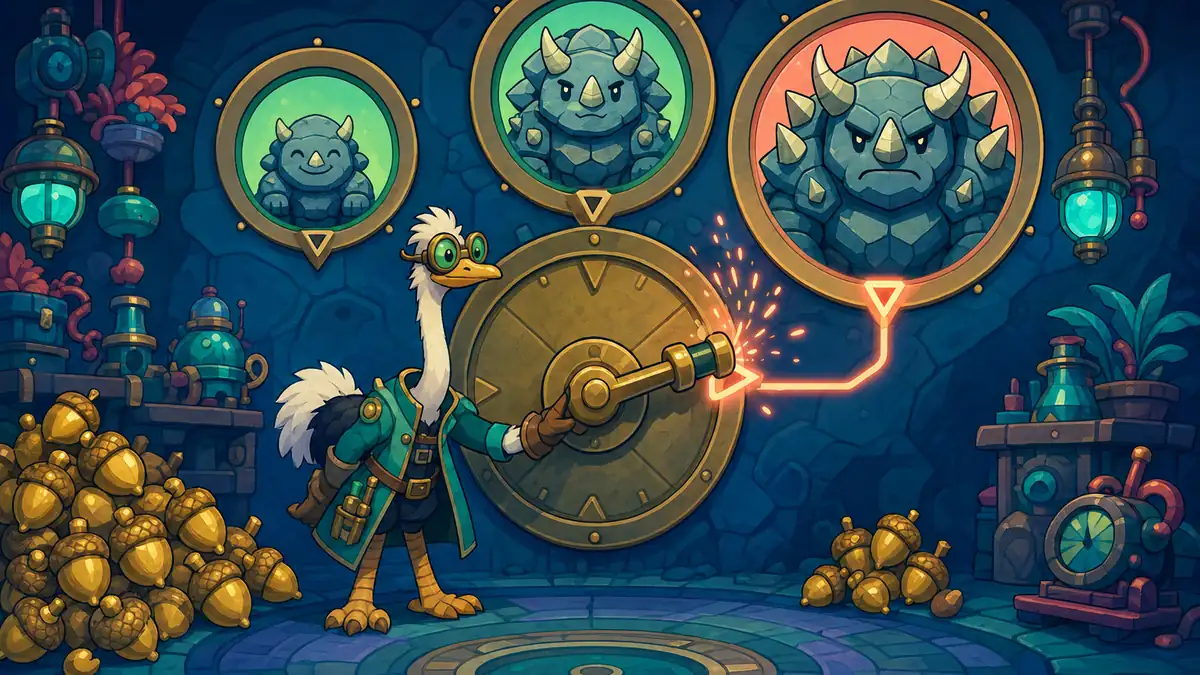
Difficulty Settings
Players come with very different skill and patience. A choice they make themselves lets a newcomer finish the game and gives an expert a real challenge, without building two games.
Movement
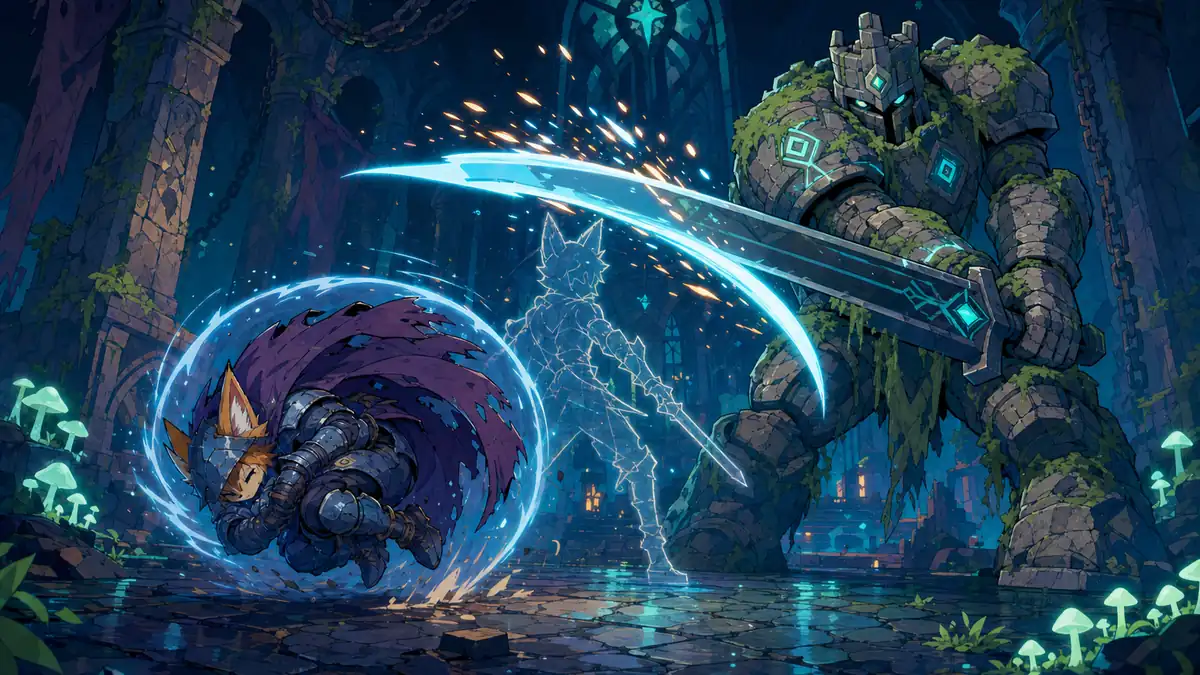
Dodge Roll
A quick roll that makes the character untouchable for part of it. It lets the player slip through an attack by timing, not by blocking, and the open start and end of the roll are what keep it a risk instead of a free pass.
World
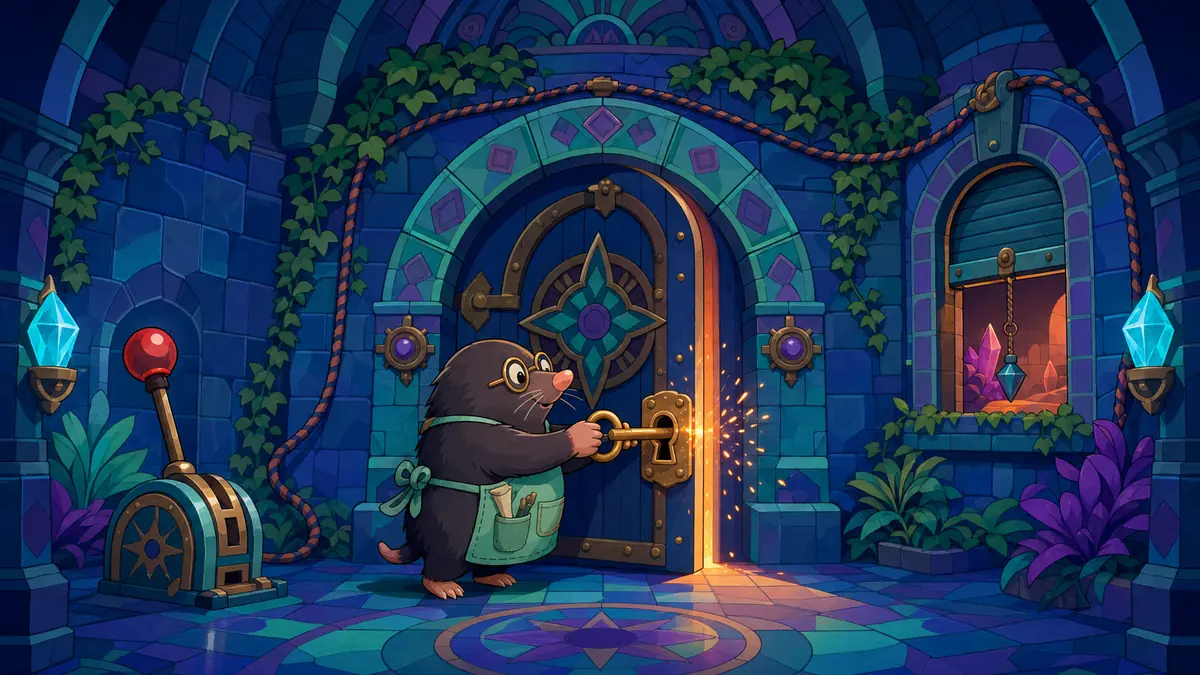
Doors, Keys and Switches
Doors give a level its shape: some ways are open, some need a key found elsewhere, and some wait for a lever. The player learns where to go next from what is shut.
Movement
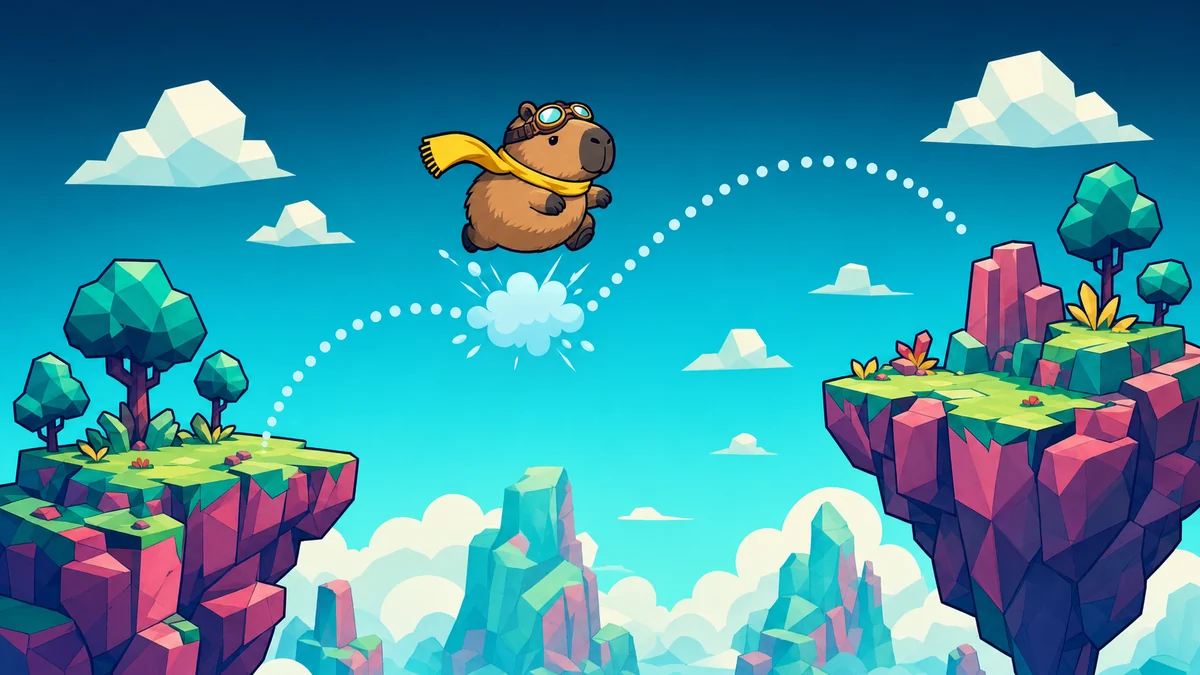
Double Jump
A second jump gives the player control in the air: a way to fix a misjudged jump, reach further or recover from a fall.