Game mechanics blueprints
113 blueprints for things that make a game feel good, explained in plain words, each with a text to paste to your AI.
Search
What should happen in your game?
Combat
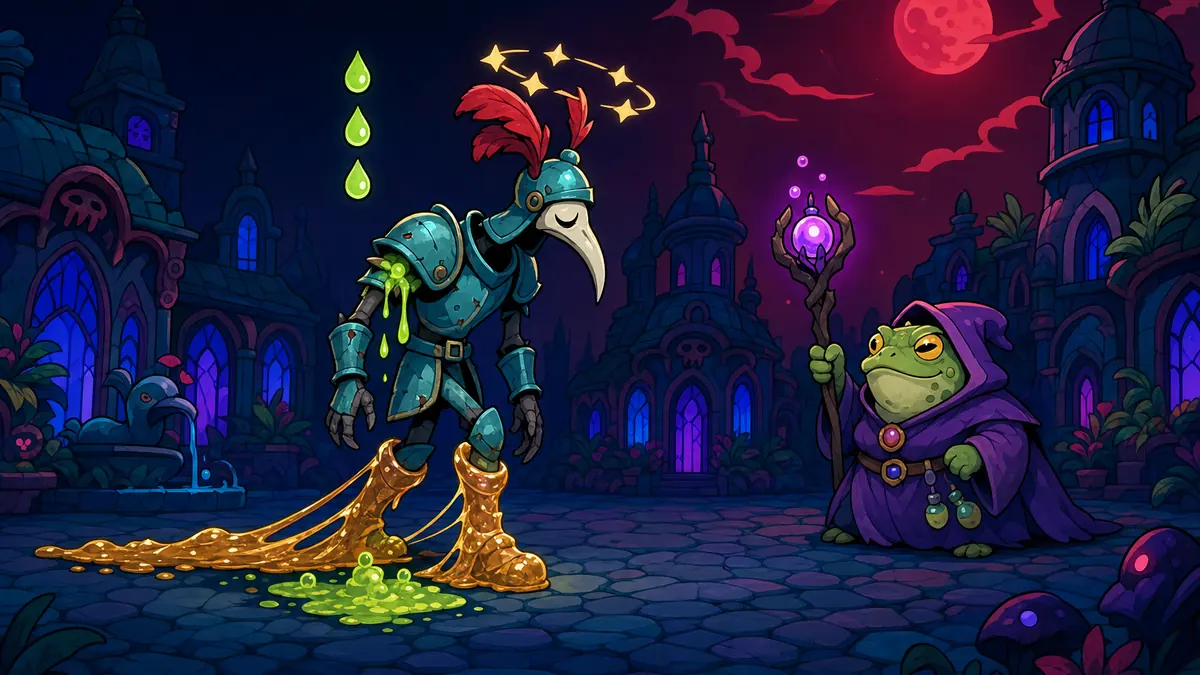
Status Effects
Status effects give attacks a lasting result beyond the damage: a hit can leave the target hurt, slowed or helpless for a while, which lets fights be won by setting things up.
Inventory
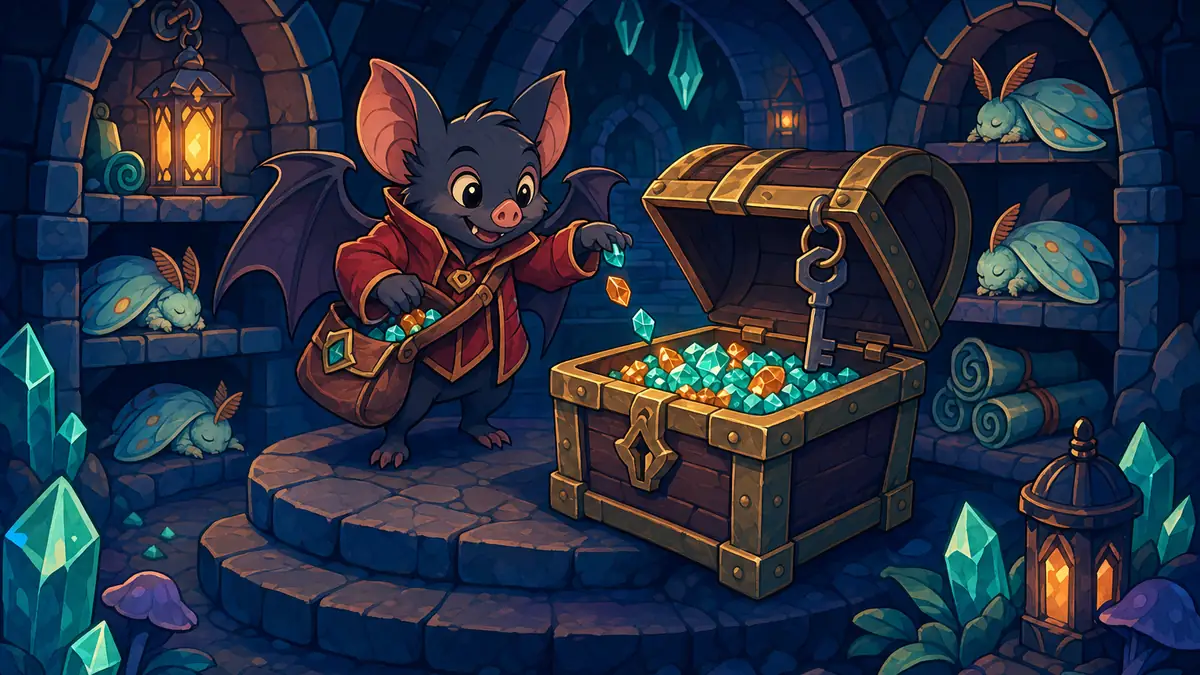
Storage Chest
A chest gives the player a safe place for things they cannot carry, so the bag can stay small and still feel fair, and so a trip back to the same spot has a reason.

Movement
Swimming
Water changes how a character moves and adds a clock to staying down. It gives the player a place that is slower, safer from some enemies and dangerous in its own way, and it has to feel different from walking at once.
Progression
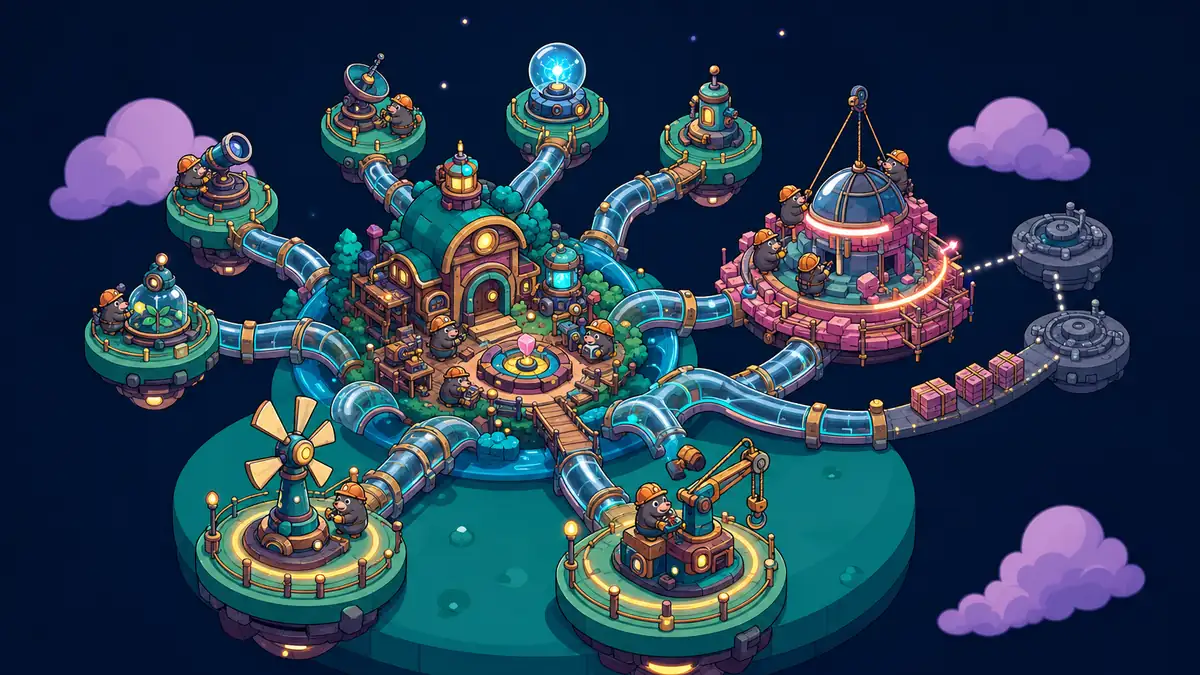
Tech Tree
A tech tree gives the player a long goal to plan toward. Choosing what to research next, and waiting for it, makes each unlock feel earned and shapes how the player plays in between.
Combat
Threat and Aggro
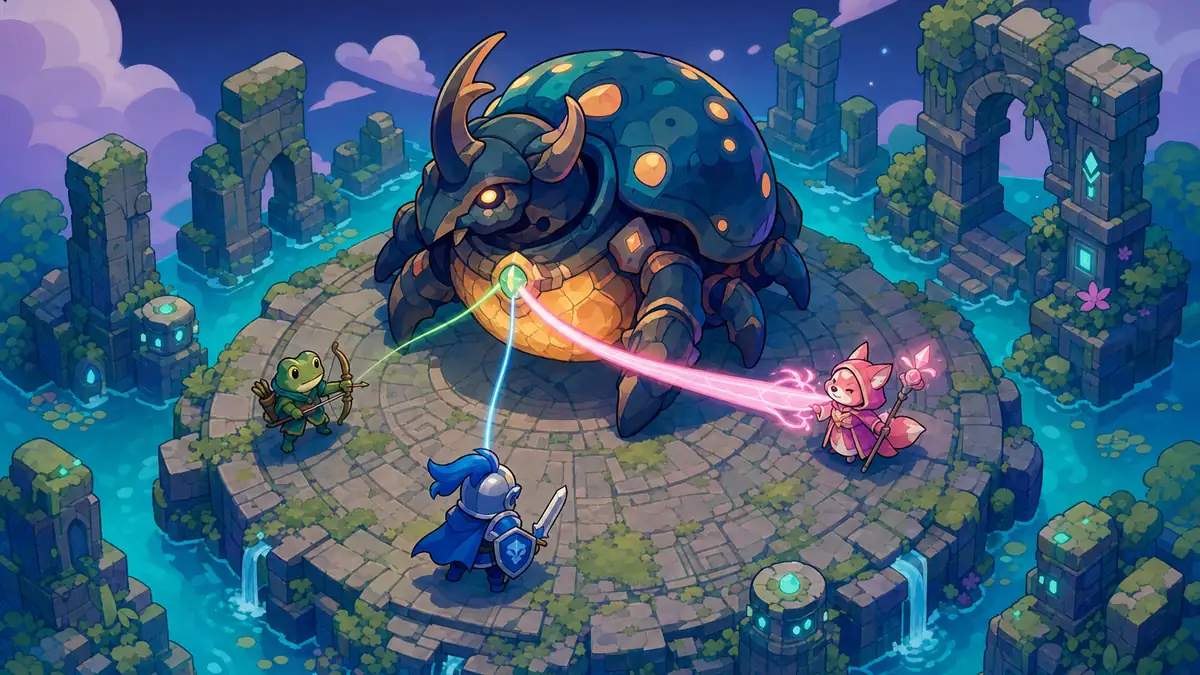
Threat lets a team of players share a fight on purpose: one holds the enemy's attention while the others do their work. Players can read why the enemy chose someone, and can change it.

Story
Timed Dialogue Choices
A countdown makes a conversation tense: the player has to answer on instinct, and saying nothing becomes a choice with a cost. It only works if the time feels fair, which means enough time to read, a clock that never runs while the player cannot act, and a way for players who need longer to get it.
Combat
Turn Order by Initiative
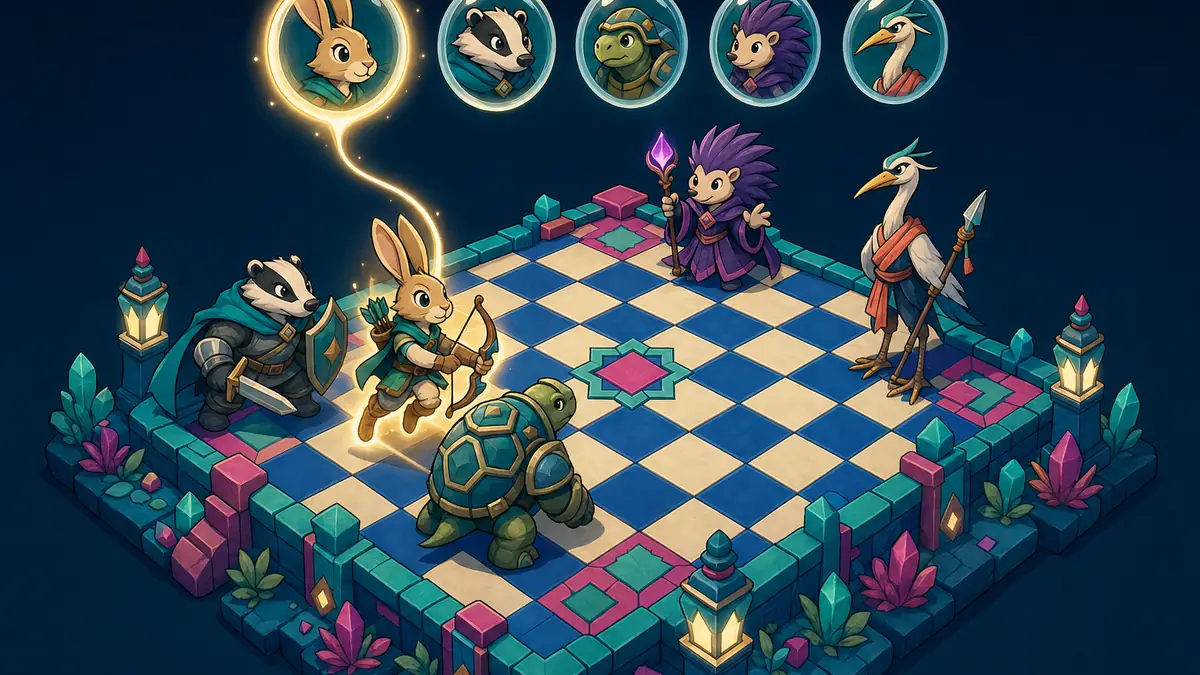
A fight with several fighters needs a fair and readable answer to who goes next. A score from speed and a little luck makes fast fighters act earlier without making the order the same every fight, and a fixed order per round lets the player plan ahead.
Combat
Turn-Based Combat
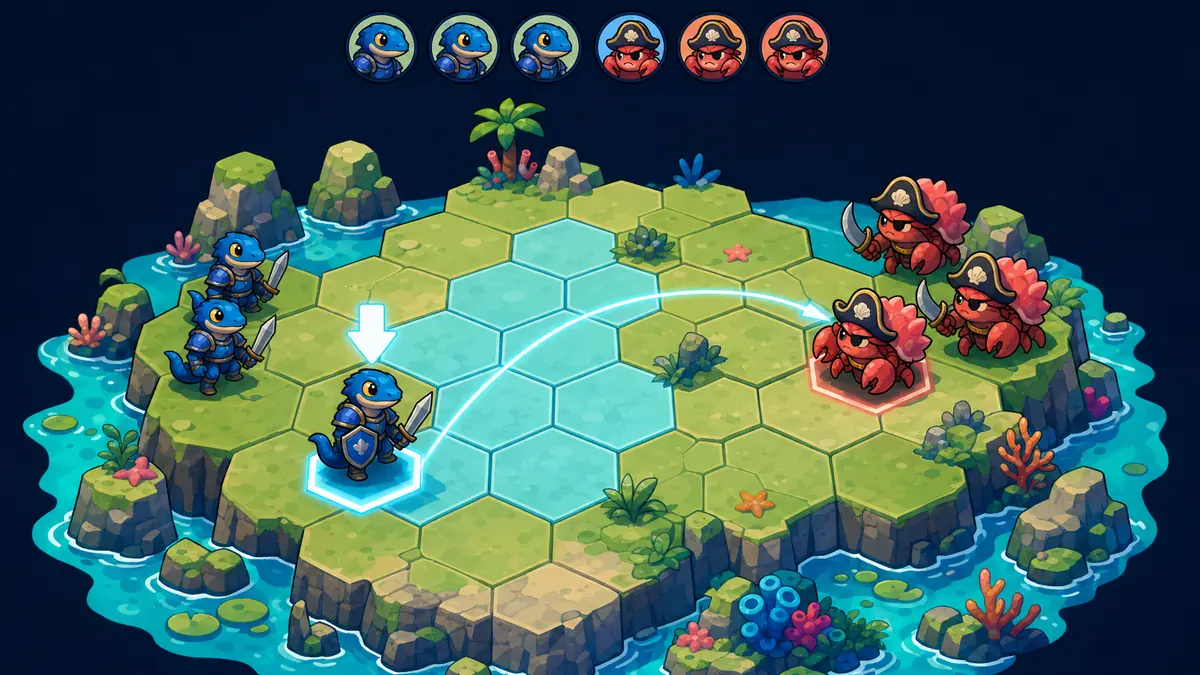
Turn-based combat gives the player time to think. Every action is a decision, made in full view of what it will do.
Movement
Variable-Height Jump
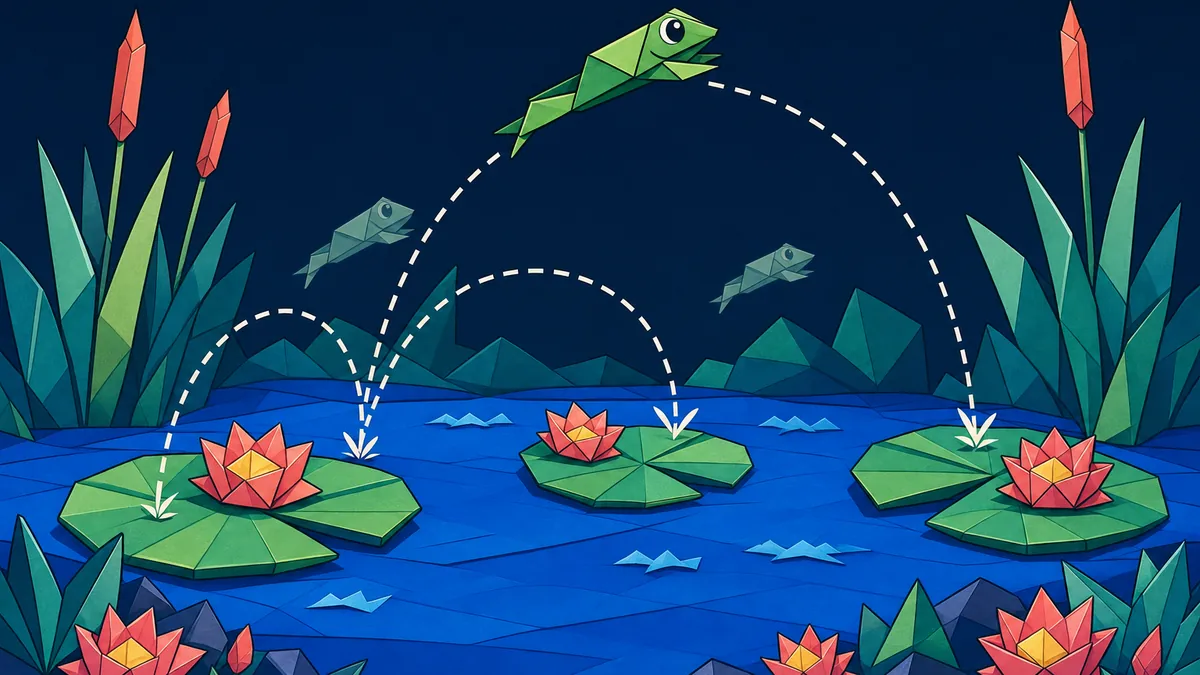
One button gives the player a whole range of jumps, from a short hop to a full leap, just by how long they hold it. So every jump is in their hands.
Movement
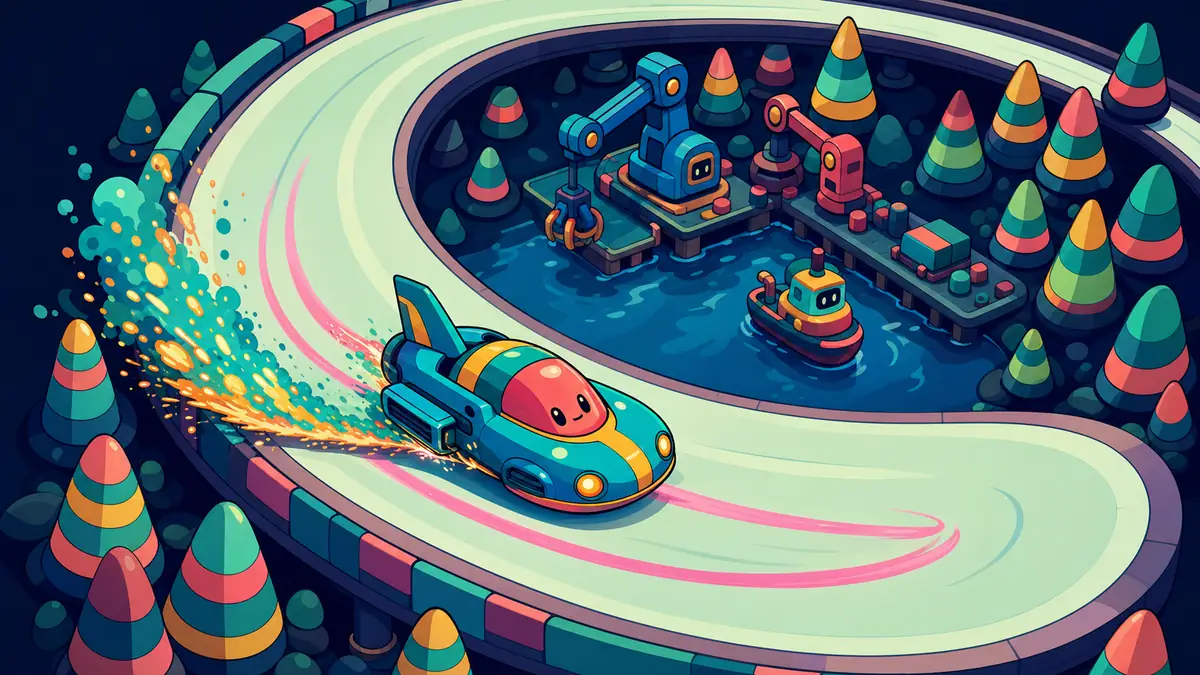
Vehicle Drift
Drifting makes turning a skill instead of a steering wheel: the player trades speed for a tighter turn and a long, controlled slide. It is the difference between a vehicle that feels like it is on rails and one that feels like it has weight.
Movement
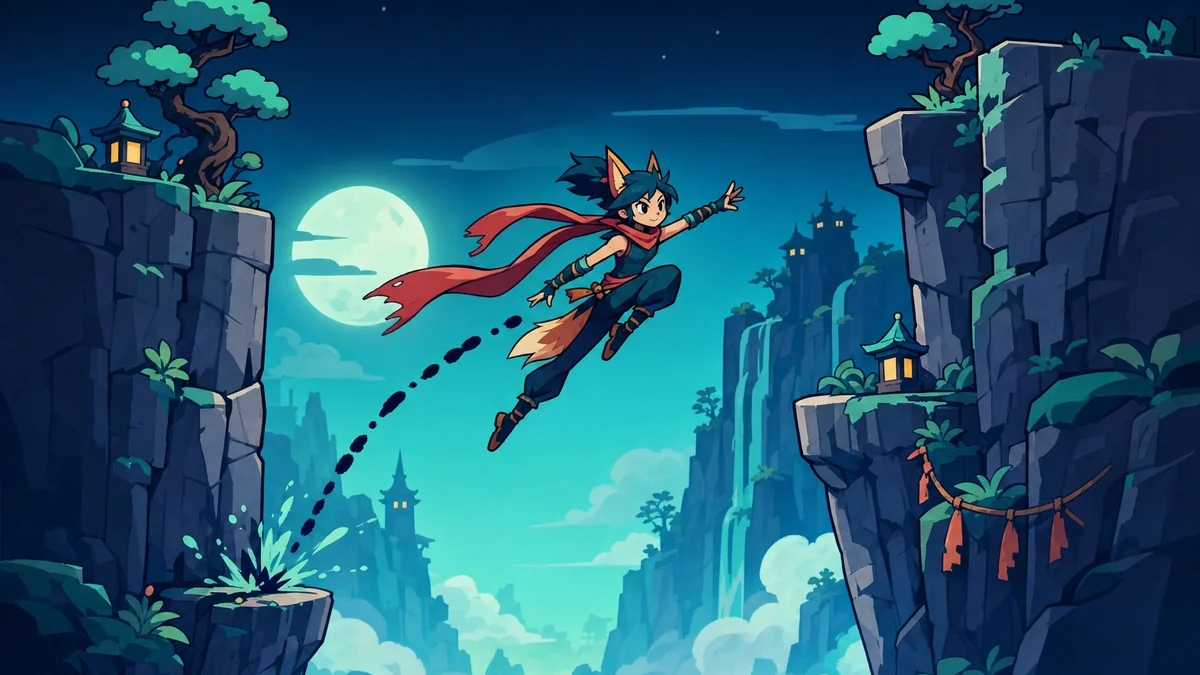
Wall Jump
A jump off a wall lets the player climb between walls, rescue a fall and reach places no ground jump reaches, with the wall as the one thing to push against.

Movement
Wall Slide
A slow slide down a wall gives the player time to look, aim and choose, and it turns a wall from a dead end into a place to stop and think.