Movement mechanics


Movement
Camera Dead Zone
A camera glued to the character shakes with every step and makes small moves feel like earthquakes. A box in the middle lets the character move around calmly, such as fighting, aiming or jumping on the spot, and the world only scrolls when it needs to.

Movement
Camera Look-Ahead
A camera centred on the character wastes half the screen on where the player has already been. Showing more of the way ahead gives the player time to react to enemies, gaps and turns, and makes fast movement fair.

Movement
Charge Jump
A jump the player shapes with the button itself: a tap for a small hop, a long hold for a big leap. It makes a jump a decision, because a big one costs time before it starts.
Movement
Coyote Time
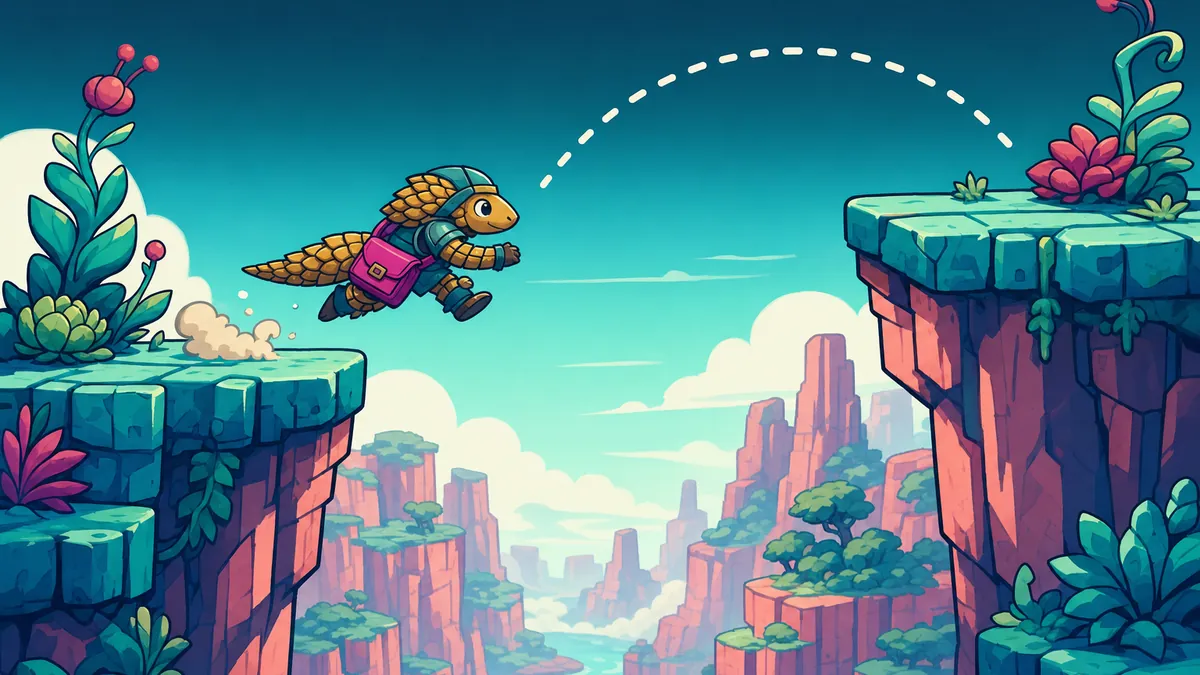
Players judge a ledge by eye and often press jump a moment too late. Without coyote time they fall and feel the game ignored them. With it, they get the jump they meant.
Movement
Crouch Slide
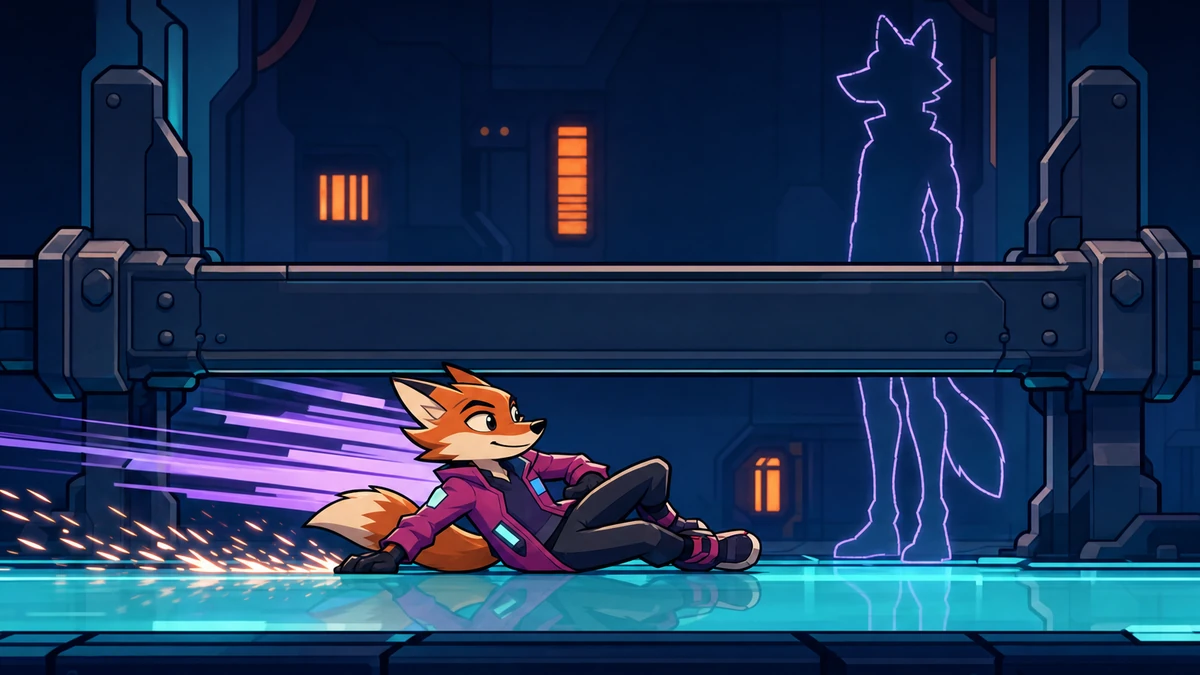
A slide turns running speed into a short, committed move: the character gets under low gaps, keeps momentum through a turn of play and makes a fast approach feel different from a slow one.

Movement
Dash
A short, fast burst in one direction that the player triggers at will. It gives a quick escape, a gap crossing or a burst of speed, and the cooldown and the air limit stop it from replacing ordinary movement.
Movement
Dodge Roll
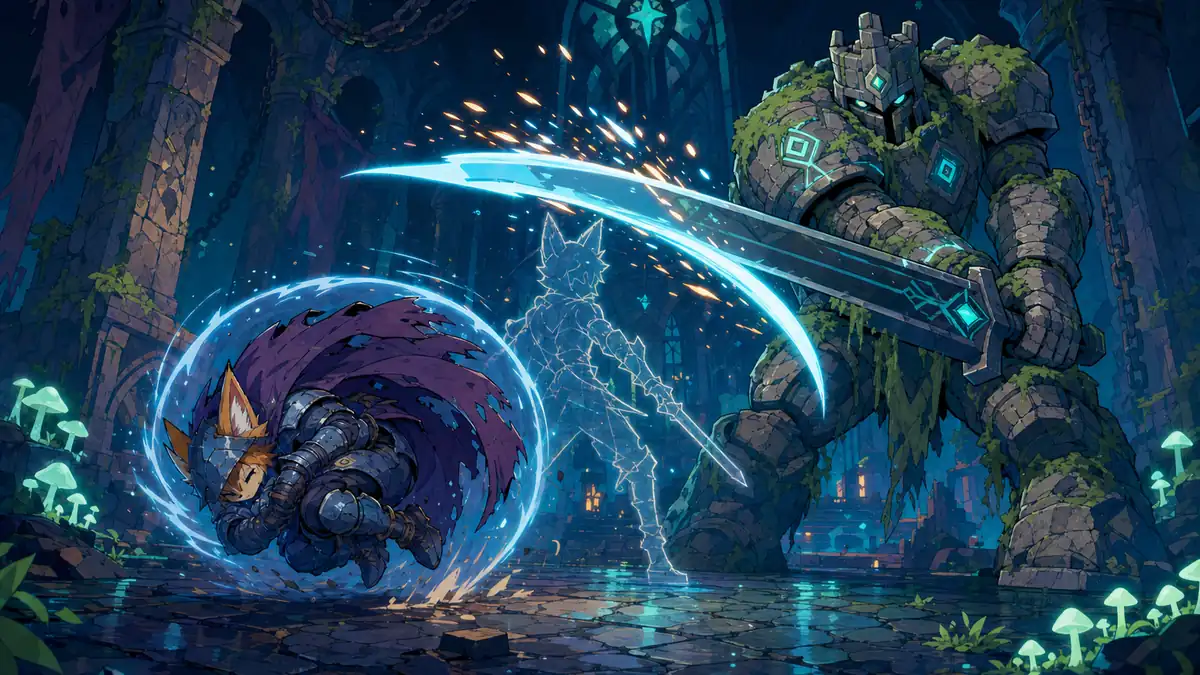
A quick roll that makes the character untouchable for part of it. It lets the player slip through an attack by timing, not by blocking, and the open start and end of the roll are what keep it a risk instead of a free pass.
Movement
Double Jump
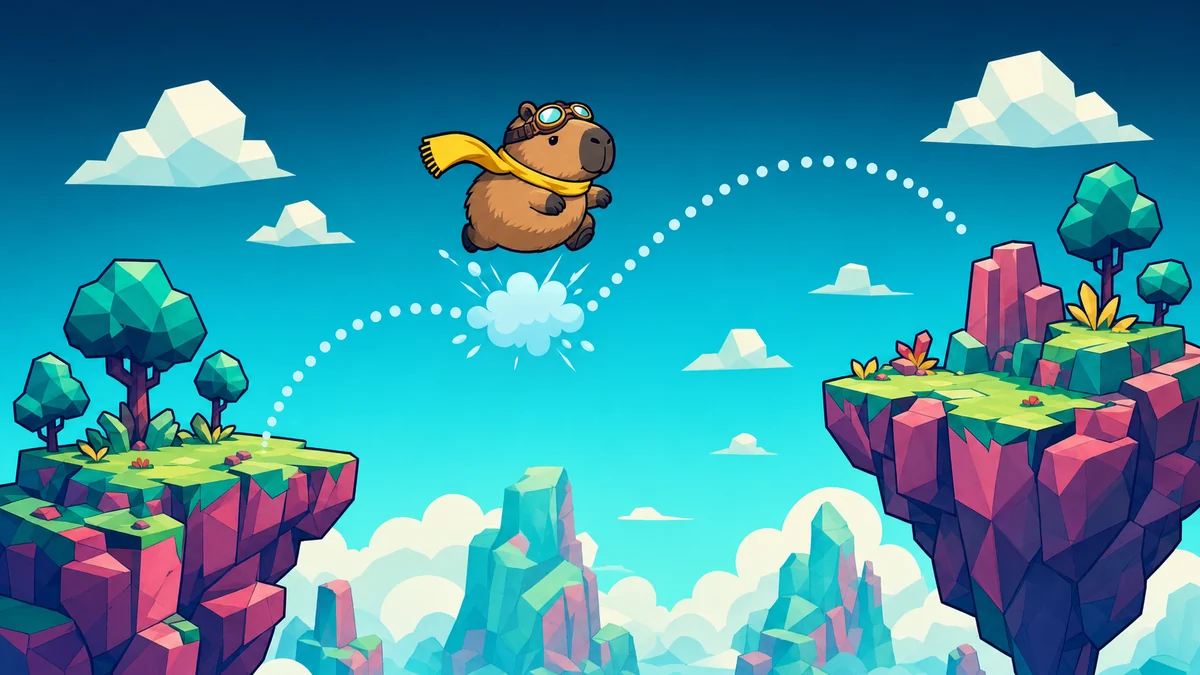
A second jump gives the player control in the air: a way to fix a misjudged jump, reach further or recover from a fall.

Movement
Glide
A glide lets the player cross gaps that a jump cannot, and gives time to aim a landing. It rewards planning, and it forgives a jump that was a little too short.

Movement
Grappling Hook
A hook lets the player cross gaps and pick their own route. It trades the safety of the ground for speed and reach, so catching an anchor has to feel reliable and the pull has to feel the same every time.
Movement
Ground Pound
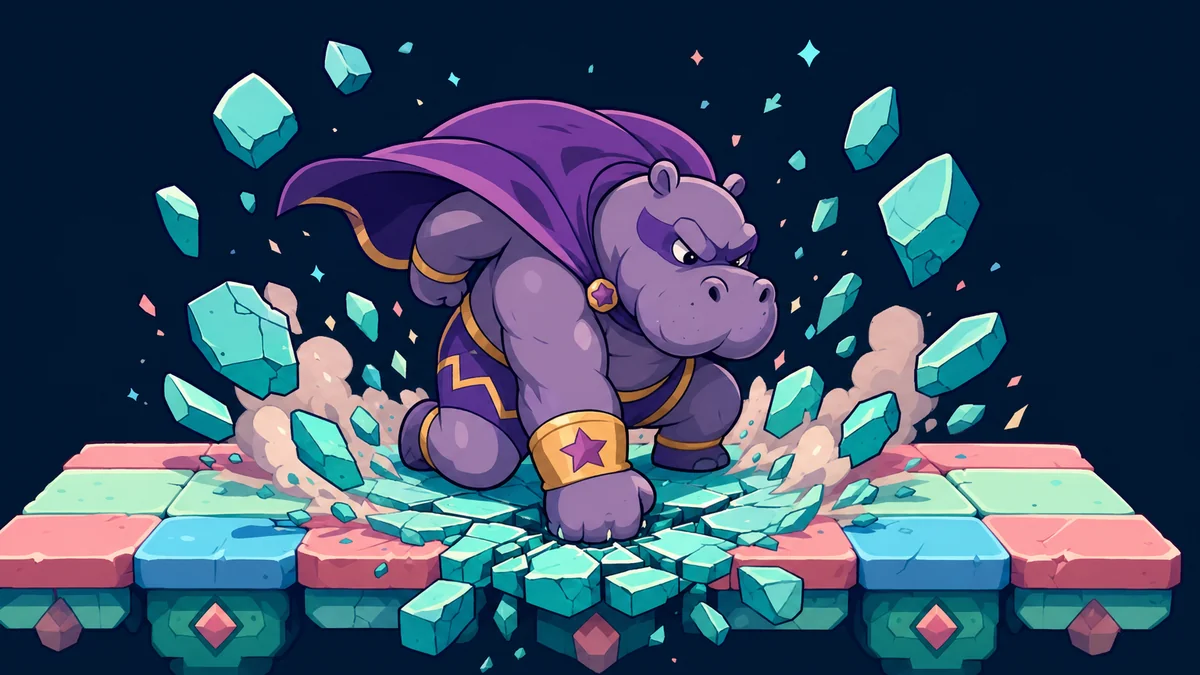
A slam gives the player a heavy, committed move: a short wait, a fast drop and a landing with weight. It trades a moment of safety for force and a way to hit what is below.

Movement
Jump Buffering
Players often press jump a little before they land. Buffering keeps that press, so the character jumps as soon as it can, and fast movement flows on instead of stalling on the ground.