Game Stories with AI: Choices, Quests and Endings That Hold
An AI writes a story in minutes, and loses track of it just as fast: a quest that is done before it starts, a choice nothing ever reads, an ending nobody can reach. This course treats a game's story as facts and moves that the game itself can check, so that it still holds when the player does things in an order you never thought of.
- 14 lessons
- about 112 minutes of reading
- Free
How this course works
- Facts before prose. What is true in the story, what makes it true, and what asks about it are written down before a single line of dialogue.
- Play before you read. Every lesson starts with a small game in this page that runs one of our tested blueprints, and its point is made on that game.
- Every order the player can try. A story that only works in the order you wrote it is not finished. You let a checker walk the other orders and read what it found.
- The checker's output, not the AI's word. Every lesson has a text for your AI that asks it to model the story, run a check and show you what the check printed.
Who it is for
People who build games with a story by talking to an AI: a quest line, a branching dialogue, a mystery, a few endings. You do not need to program or to have written fiction. You need a story you care about and the wish that it does not fall apart on the third playthrough.
What you need
An AI you build with and a game or a story project in any tool: a browser game, Godot, Twine or something else. Every lesson shows its point on a small game you can play in this page, and several send you to the checker on this site, which runs in your browser and sends nothing anywhere.
Part 1
A story the game can check
A game's story is facts that are true or not, choices that set them and scenes that ask about them. Three lessons turn prose into something your AI can build and a checker can walk.
1 · 8 min
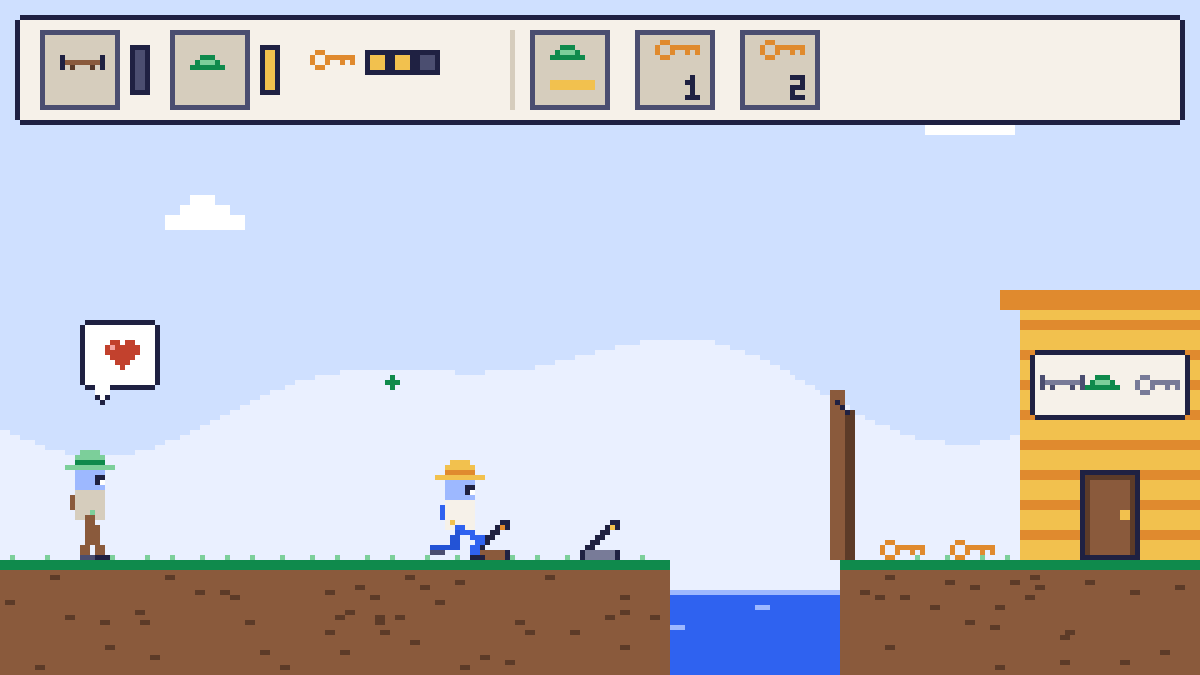
Write Your Game Story as Facts the Game Can Check
A game story is facts that are true or not: the bridge is down, the elder was greeted. Write them down before any prose, with what sets each one and what asks about it.
2 · 8 min
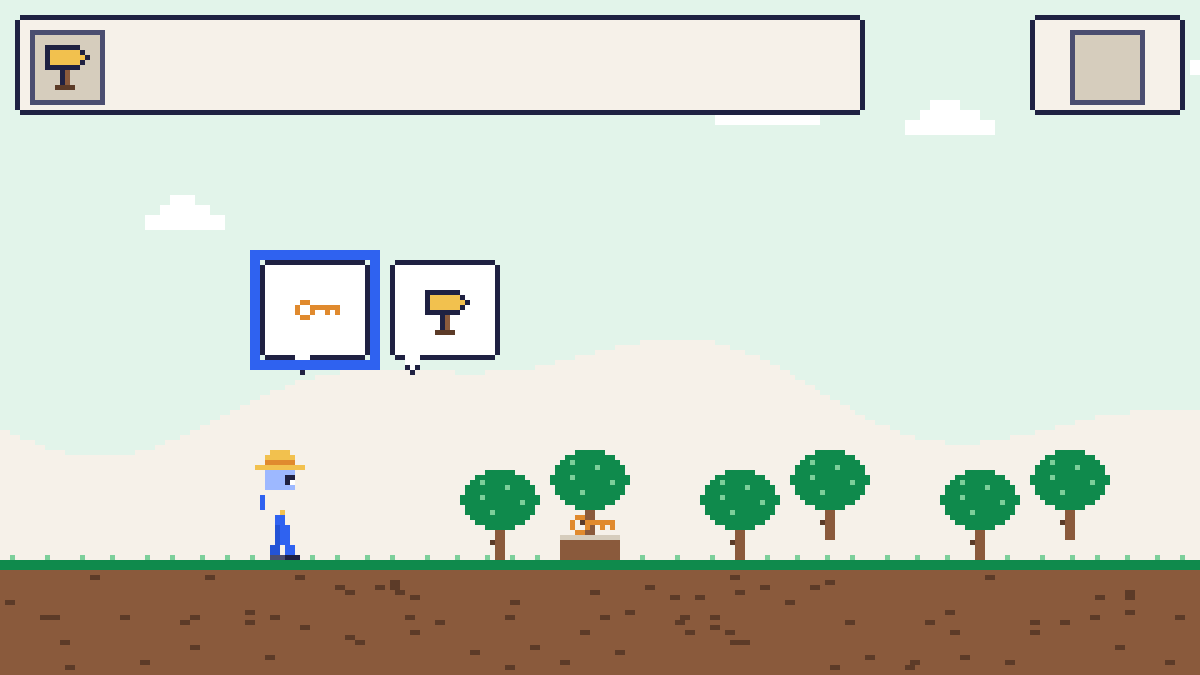
Meaningful Choices in Games: Something Has to Read Them
A choice in a game counts when something later reads what it set. Play two choices that lead to the same place, then list for every choice what it sets and where that is read.
3 · 9 min
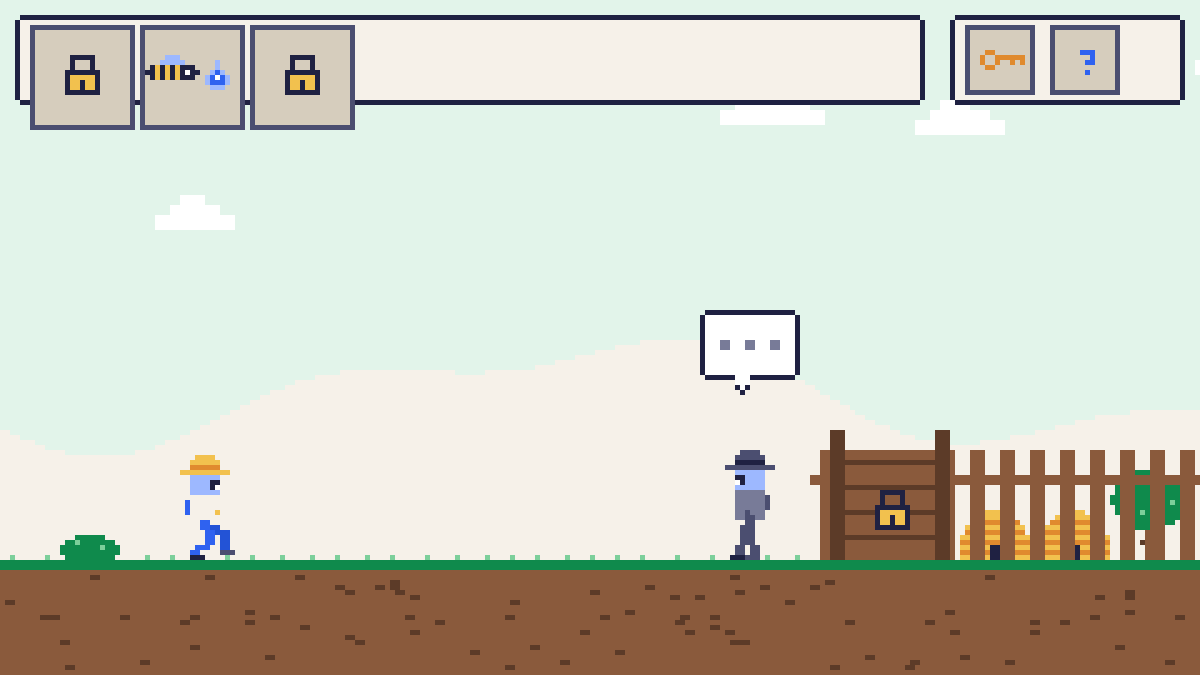
Map Your Dialogue Tree: Dead Ends, Lost Lines and Loops
Draw a conversation as a map of lines and answers, then walk it. A dead end, a line nobody reaches or a loop with no way out shows up on the map, not in the script.
Part 2
Quests that cannot get stuck
A quest has states, the player keeps things the story needs, and nobody plays in the order you wrote. Three lessons on the ways a quest line breaks and how to find them before a player does.
4 · 9 min
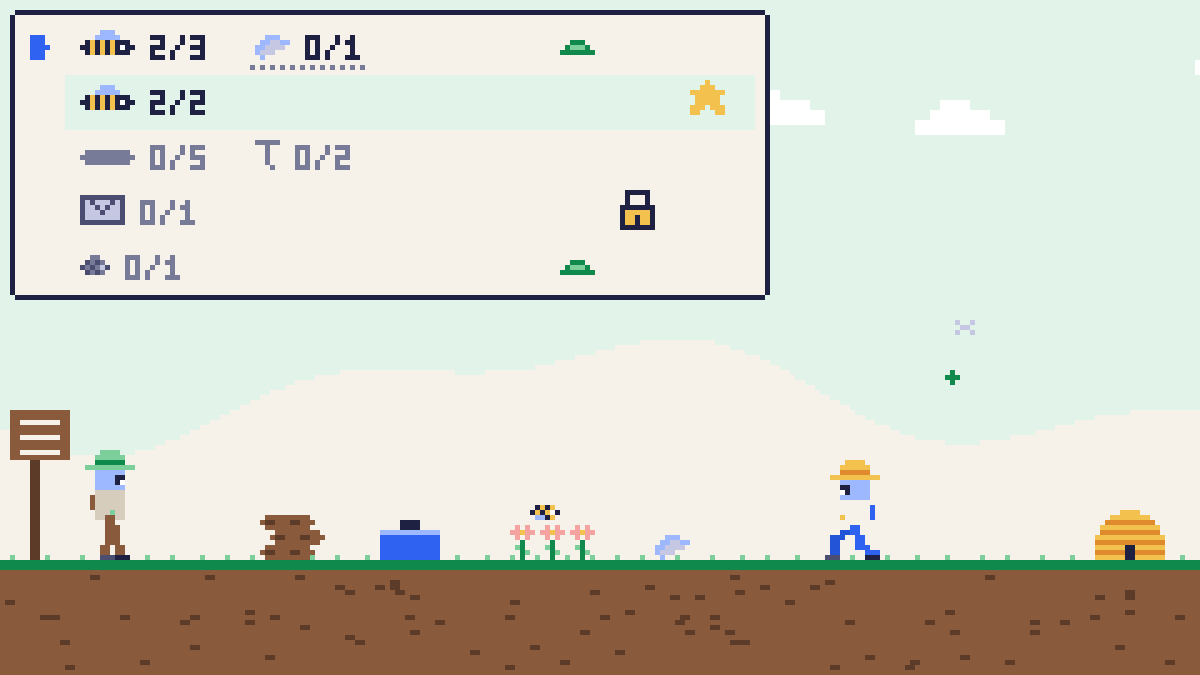
Quest States in a Game: Not Taken, Active, Done or Failed
A quest is not one flag that says done. It has states, and every move between them has one cause. Take a quest log apart, then write your own quests as states and test each move.
5 · 8 min
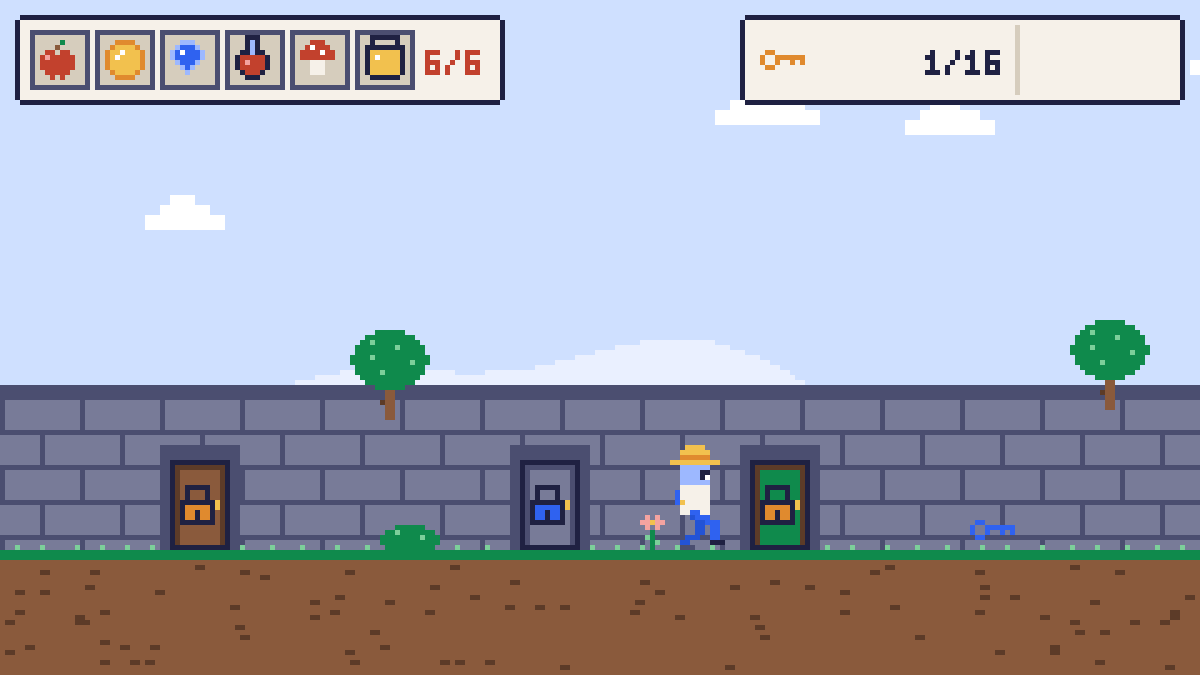
Quest Items and Soft Locks: What the Story Needs Later
A later scene needs a key, a person or a fact. Can the player still get it, and can it be lost, sold or used up first? List every need, then try the orders you did not write.
6 · 9 min
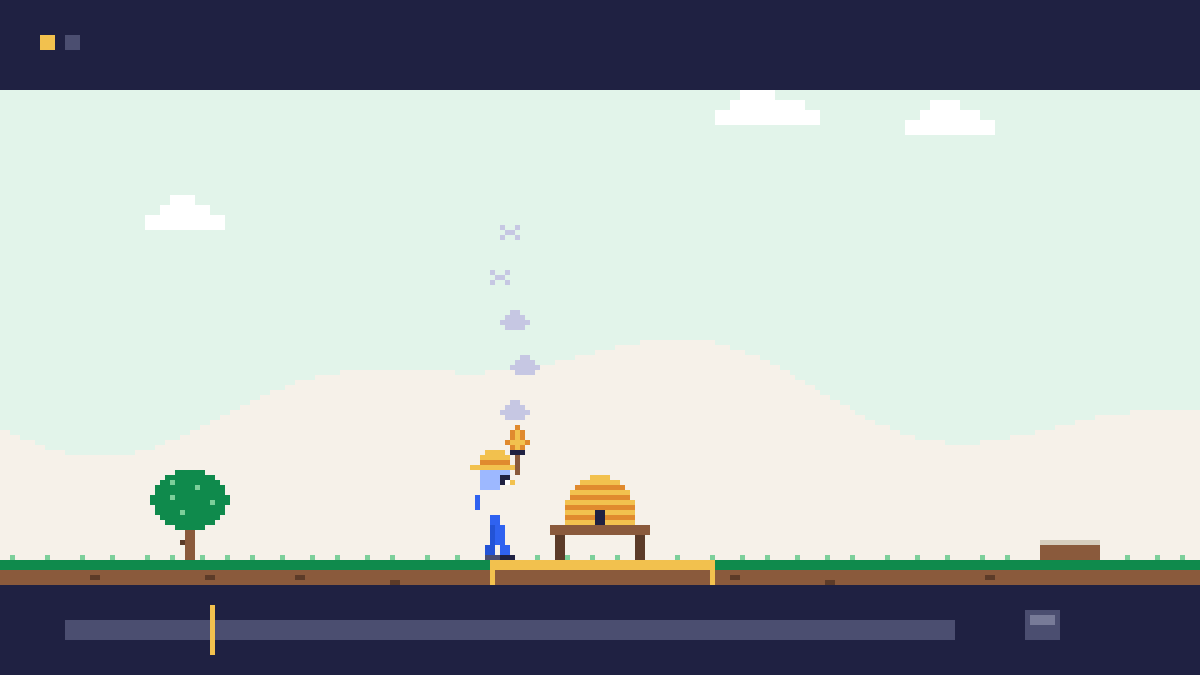
Every Order a Player Tries: Scenes That Fire Twice or Too Soon
A player does things in an order nobody wrote, and a scene plays twice, never, or before its cause. Try the orders on a playable cutscene, then let a checker walk all of them.
Part 3
People and a world that answer
Characters who remember what you did, a choice under a running clock, and a world that tells its story without stopping the game.
7 · 8 min
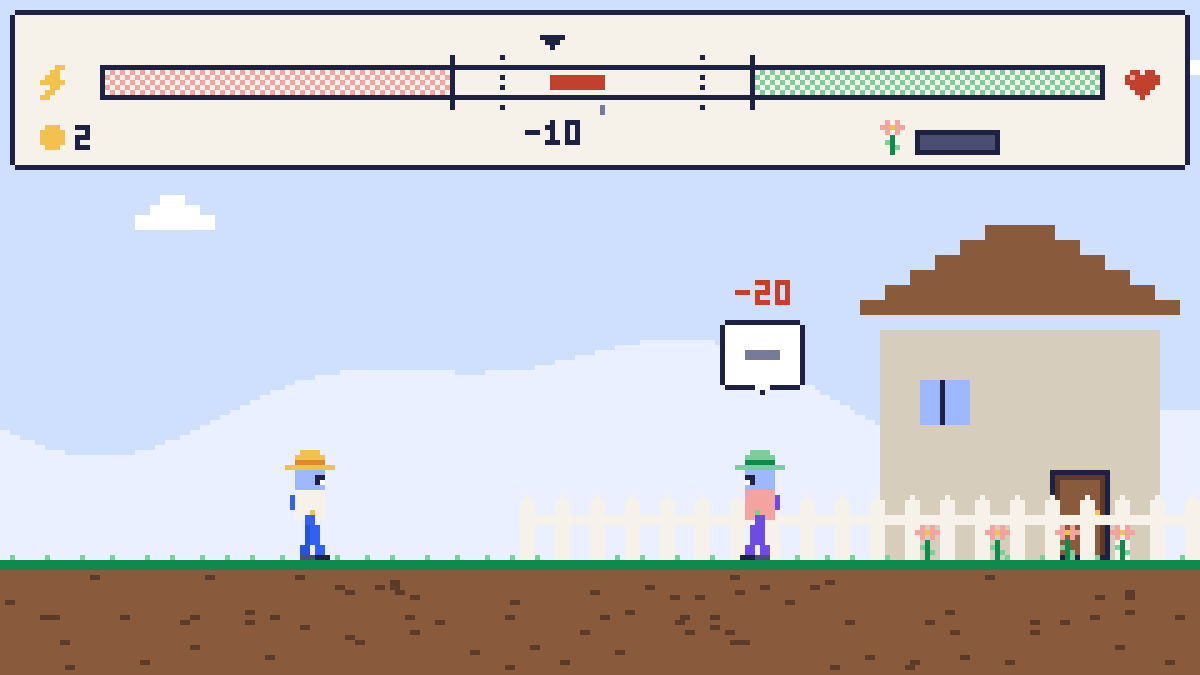
Game Characters Who Remember: One Number Every Line Reads
A character remembers the player when what she knows is a number or a fact and every line reads it. Play a neighbour who remembers, then give your AI a memory to check.
8 · 8 min
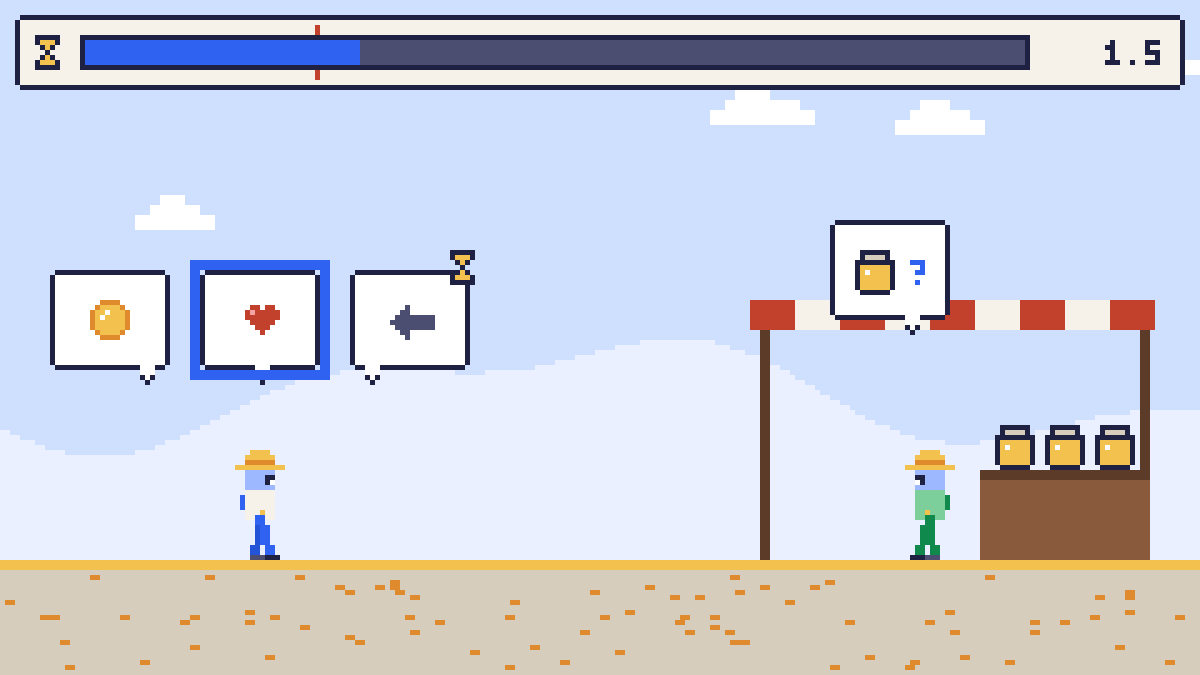
Timed Dialogue Choices: When Silence Becomes an Answer
A clock on a dialogue choice turns waiting into an answer and reading time into a rule. Play a timed talk at a market stall, then decide which choices get a clock.
9 · 8 min
Ambient Barks: Telling a Game Story Without Stopping Play
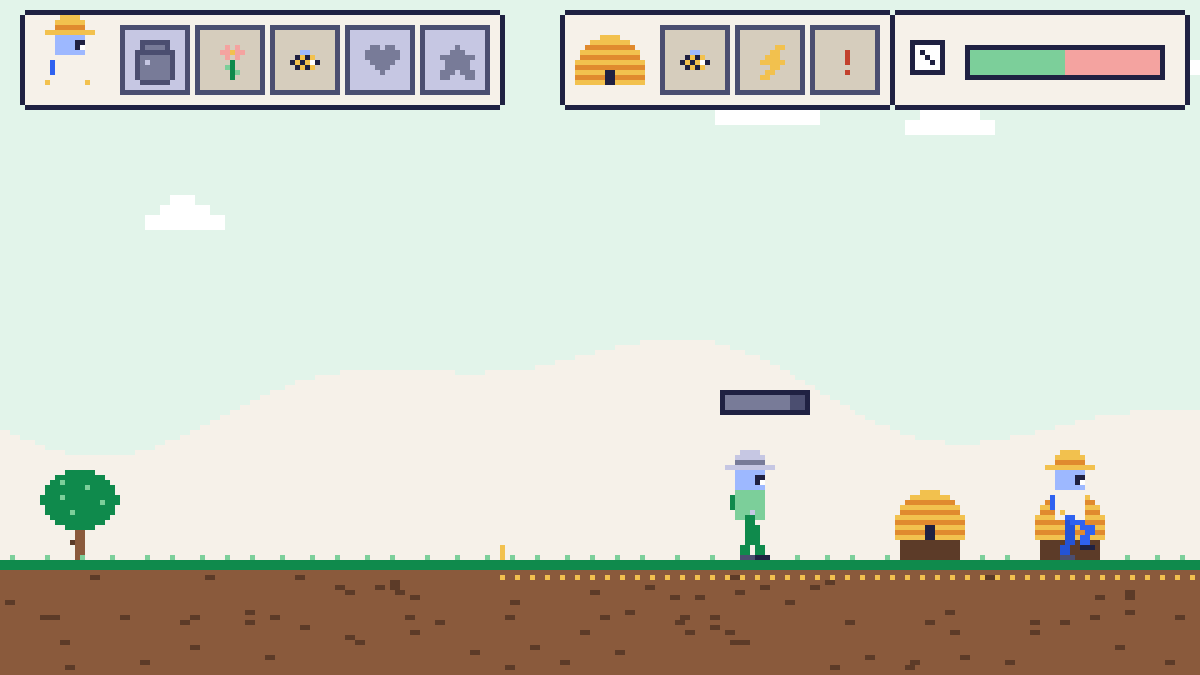
A world tells its story in lines said in passing, at the right moment and never twice in a row. Walk past an old beekeeper who talks, then cut your wall of text into barks.
Part 4
Mysteries and endings
A mystery the player can really solve, a story told in the order the player finds it, and endings that follow from what was done.
10 · 8 min
Detective Game Clues That Add Up: A Case the Player Can Solve
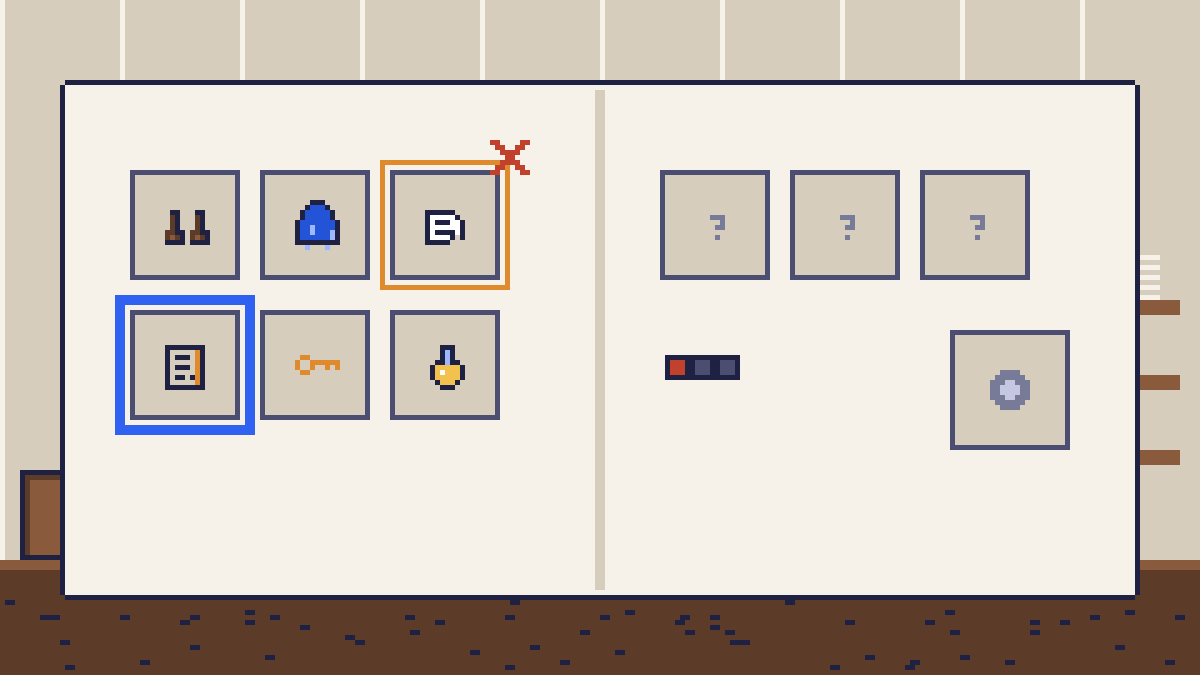
A mystery is solvable when every conclusion rests on clues the player can find and none can be missed for good. Draw a case as a tree in a playable journal, then test it.
11 · 7 min
Game Lore in the Order the Player Finds It, Not the One You Wrote
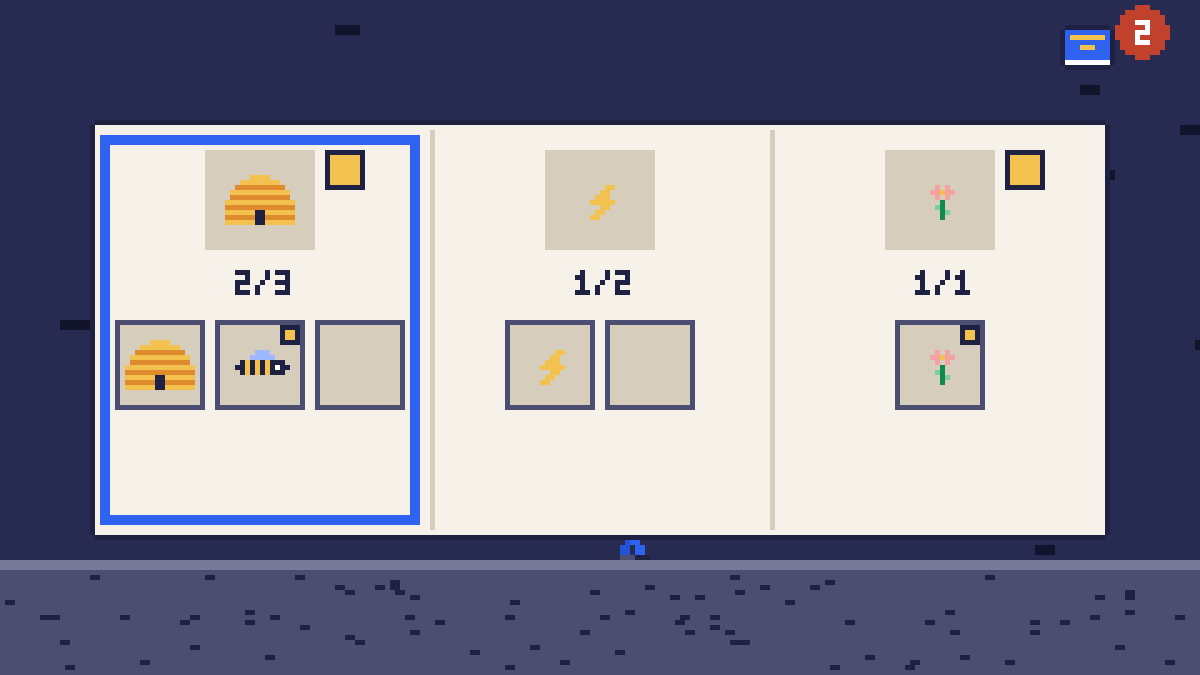
A player learns your story in her own order. Walk a playable lore codex out of order, see what its book knows about her, and check that no scene leans on what she has not seen.
12 · 8 min
Multiple Game Endings That Follow From What the Player Did
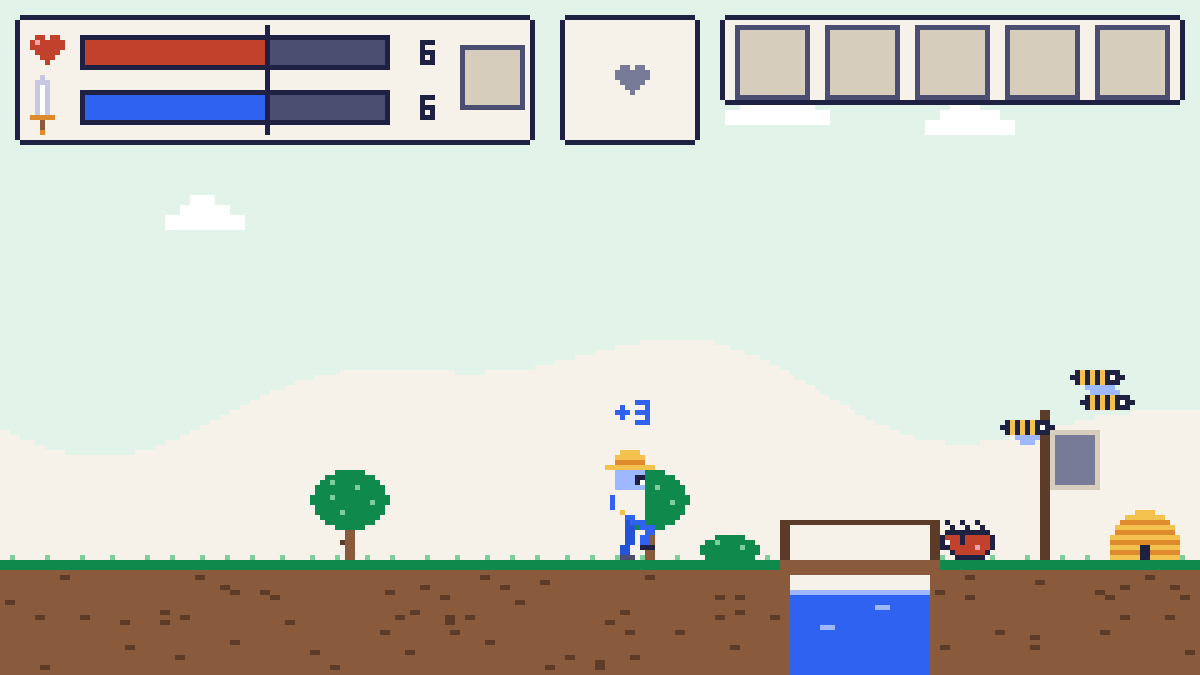
An ending is worked out from facts the game keeps. Take a playable walk with five endings apart, fill in every way through, and make sure each ending is reachable and explained.
Part 5
Keep it whole
A story has to survive a save in the middle and an AI that forgets what it wrote last week. Two lessons on keeping the facts in one place.
13 · 7 min
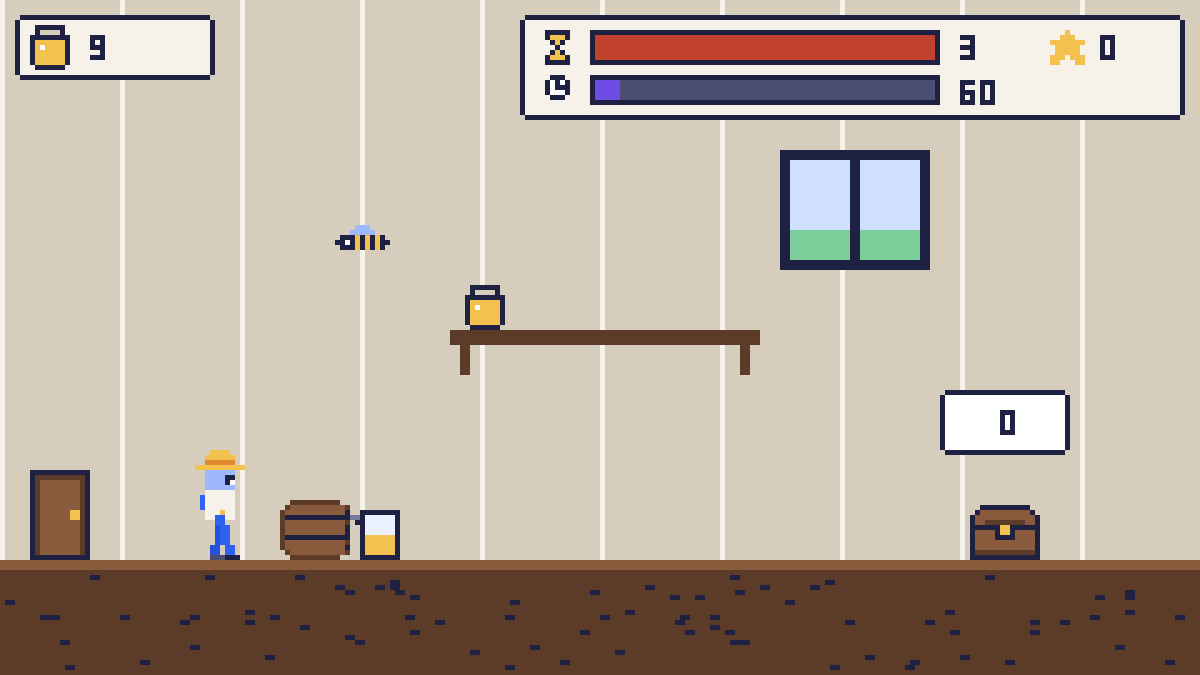
What a Save Game Must Hold: Facts, Not Where You Stand
A save that keeps the player's place and forgets what they did loses the story. Find what a load must give back on a playable autosave, then test a save in the middle of a quest.
14 · 7 min
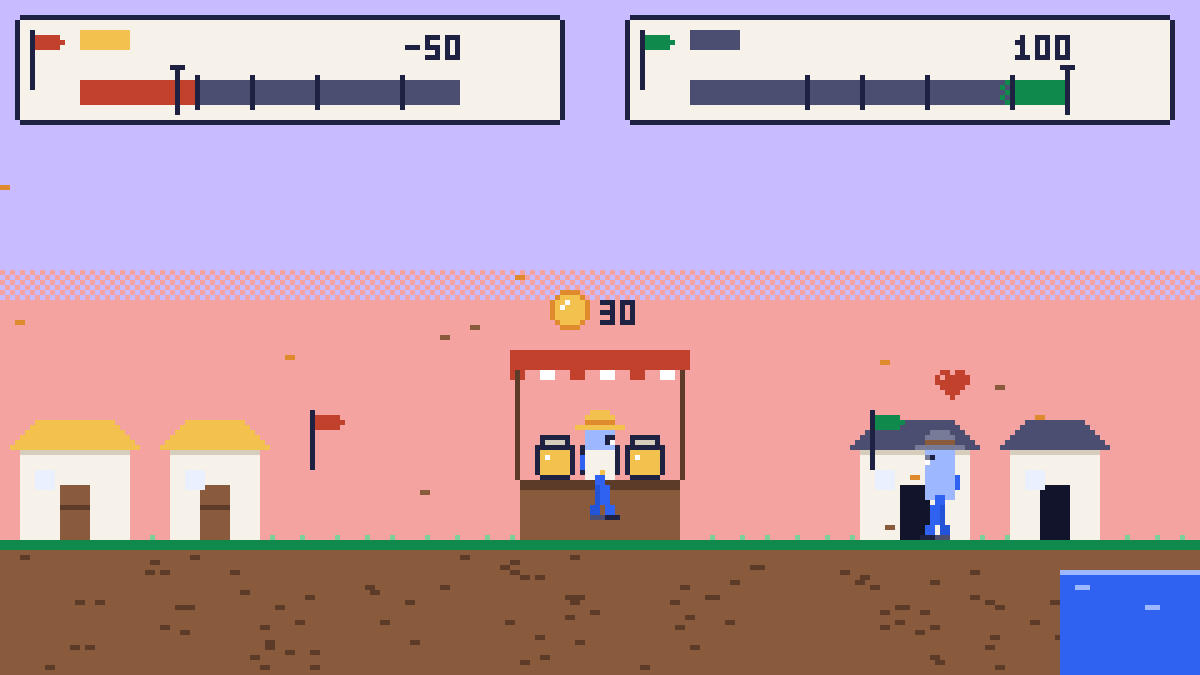
When Your AI Forgets the Story: Keep the Facts in a File
Your story should not depend on what your AI remembers. Keep its facts in one file it reads first, give each line a check, and run the checks after every change, tried on two rival villages.