Story mechanics
Story
Ambient Barks
Barks make a world feel lived in. Characters comment on what happens around them, and the player hears something alive between the big story moments, without the same few lines becoming a nuisance.
Story
Branching Choices
Choices make the reader a part of the story. The player feels that what they pick matters when later scenes remember it, when some paths close and others open, and when a bad pick can be taken back without leaving the story in a broken state.
Story
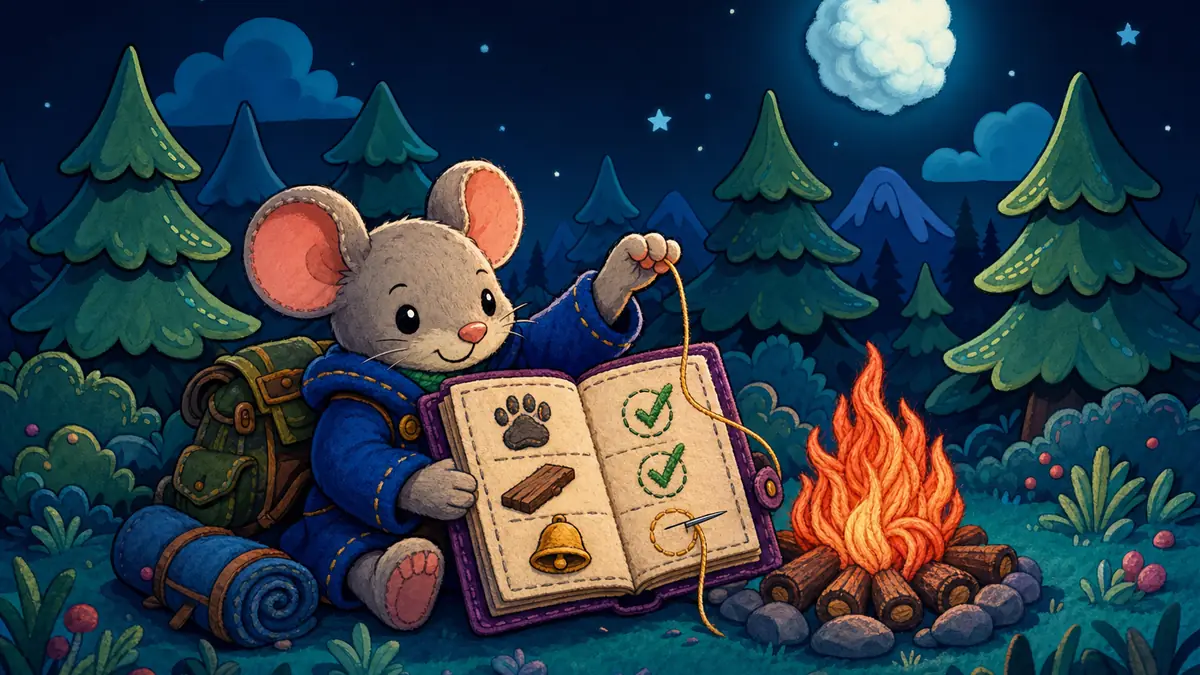
Clue Journal
The player solves a mystery by thinking, not by walking into the right room. The journal remembers what was found, checks what the player connects and helps when they are stuck, without ever giving the answer away.
Story
Cutscene Triggers
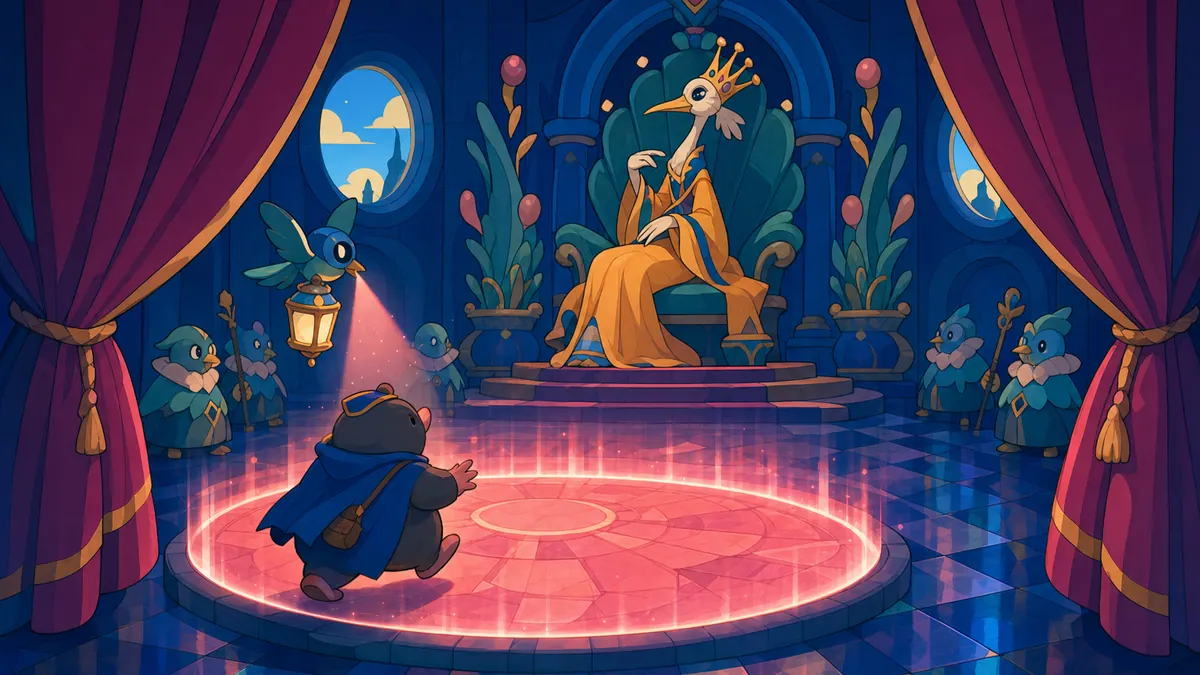
A trigger starts a scene at the right moment and in the right place, so the story takes the stage exactly when the player has reached it, and never twice by accident or half done.
Story
Dialogue System
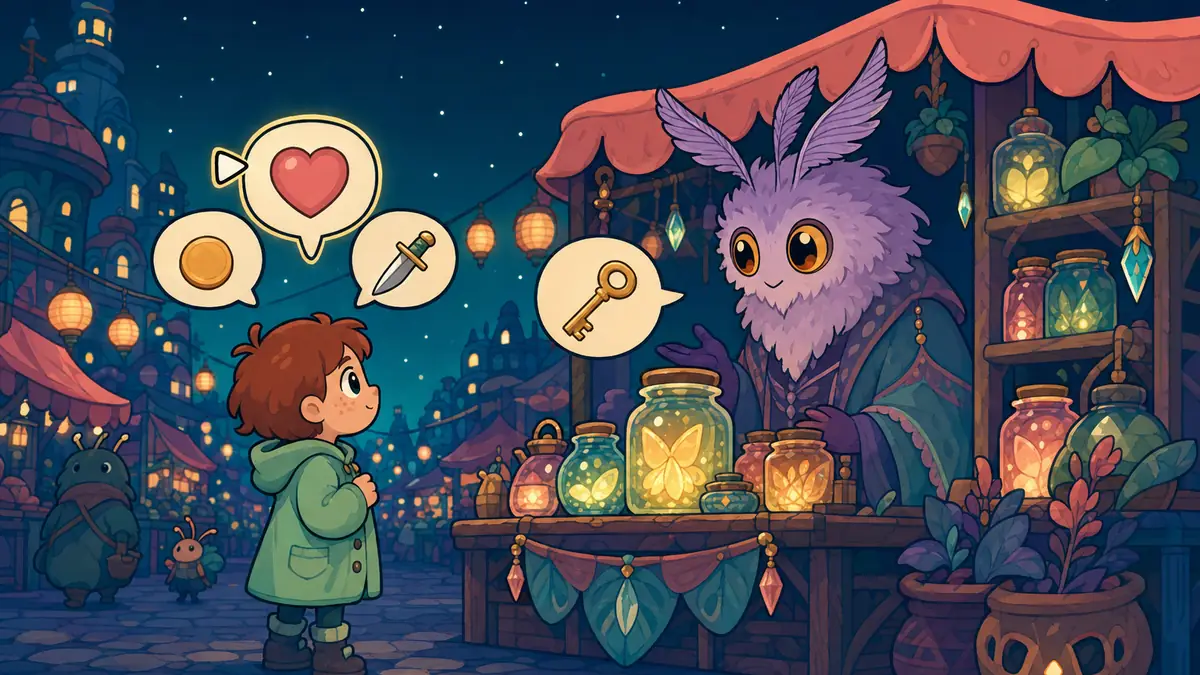
Dialogue lets the player talk to the world, and what they say and do changes what comes next.
Story
Lore Codex
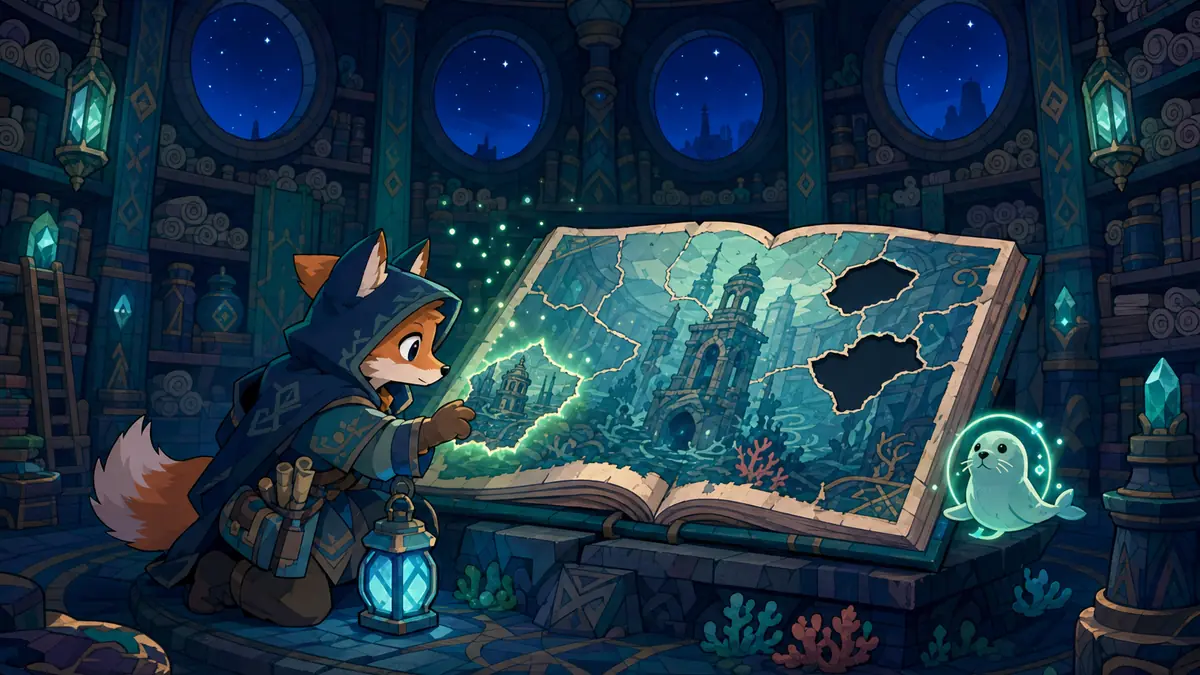
A codex gives the story a place to live outside the action. The player collects it at their own pace, sees how much is still missing, and comes back to a half-understood mystery later.
Story
Multiple Endings
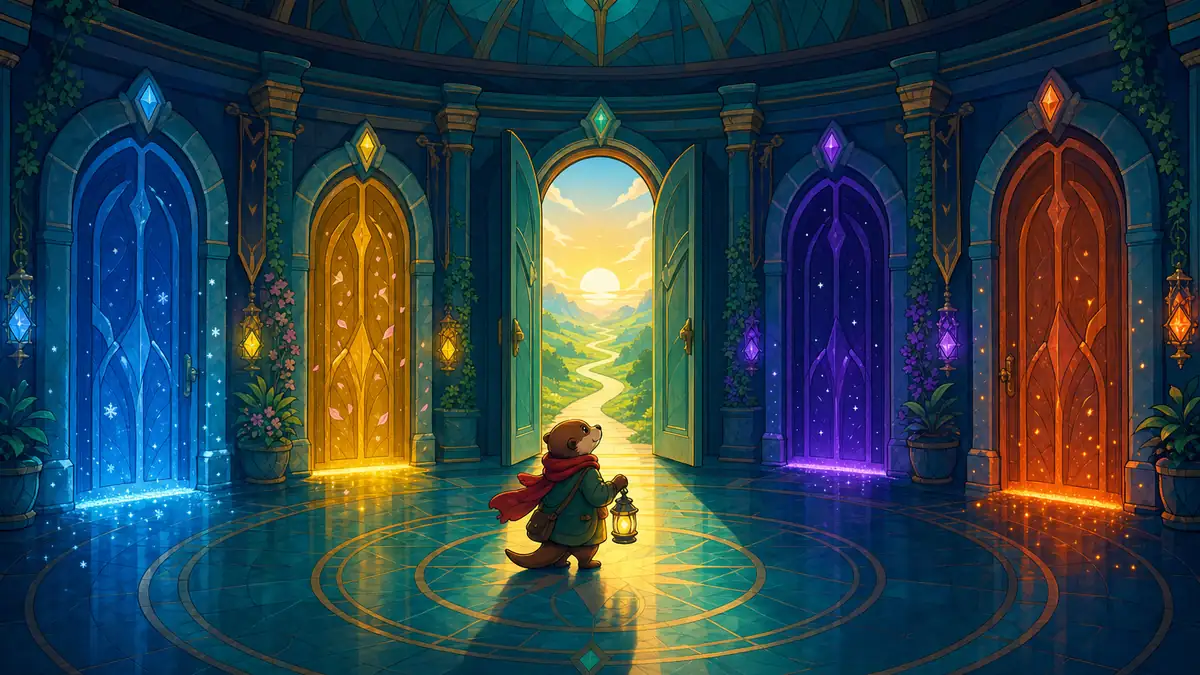
Different endings make a story worth playing twice. The player must feel that their deeds led to the end they got, and must never reach a finish that looks like a mistake: no ending, the wrong one because of a hidden rule, or one that changes after it was shown.
Story
Quest Log
A quest log tells the player what they are doing and how far they are. It has to be right at every moment: the numbers count what the player did, finished quests stay finished, the tracker never points at something that is over, and a long list of tasks stays small enough to manage.
Story
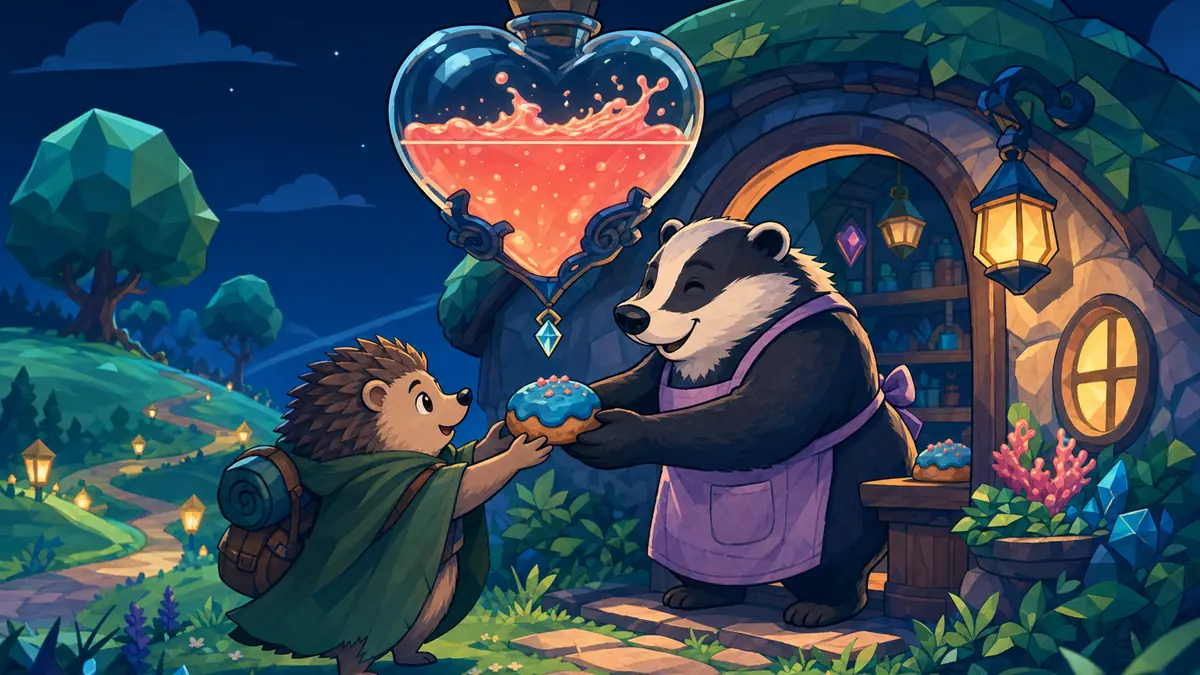
Relationship Meters
A meter for how much a character likes the player turns many small deeds into one feeling the whole game can react to: a warmer shop, a closed door, a friend who shows up when it counts.
Story
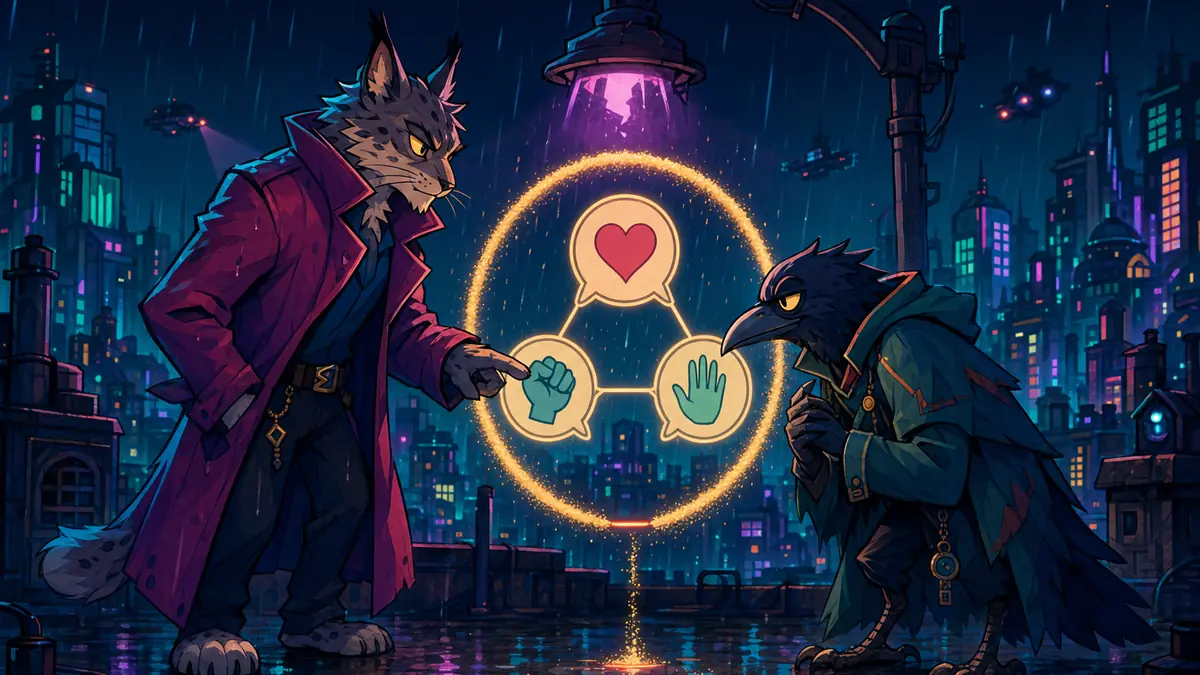
Timed Dialogue Choices
A countdown makes a conversation tense: the player has to answer on instinct, and saying nothing becomes a choice with a cost. It only works if the time feels fair, which means enough time to read, a clock that never runs while the player cannot act, and a way for players who need longer to get it.
Story
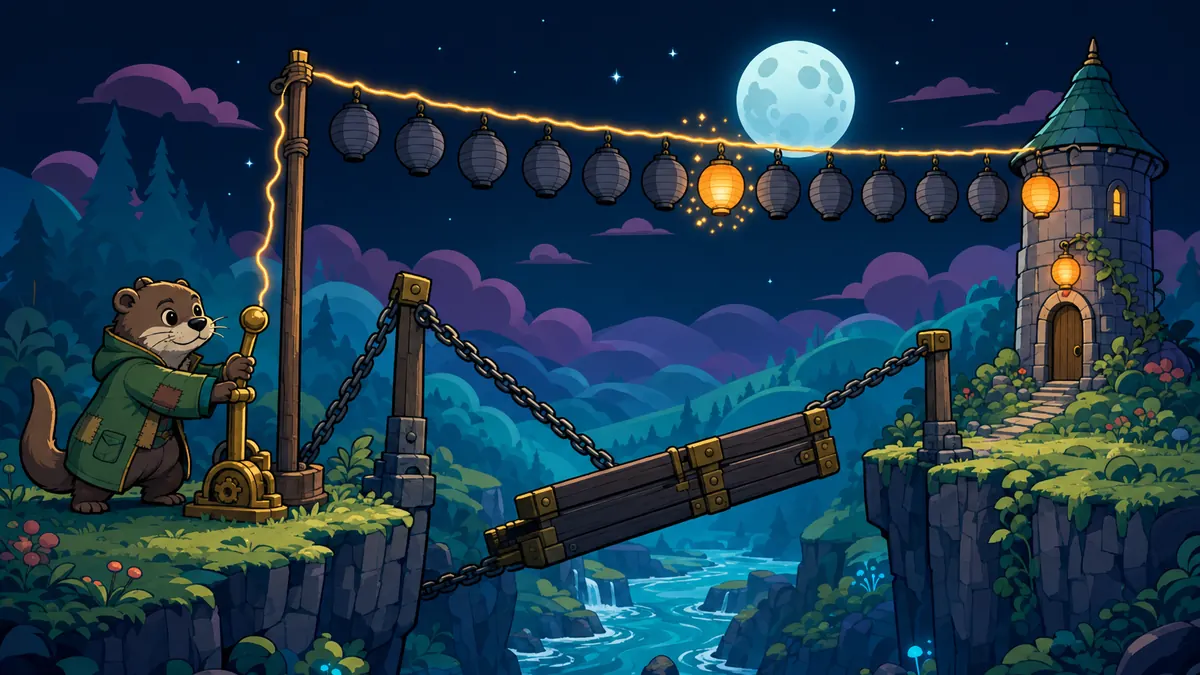
World State Flags
One shared memory lets any part of the game react to what the player did, without the parts knowing about each other, so choices and progress can change the world in many places at once.